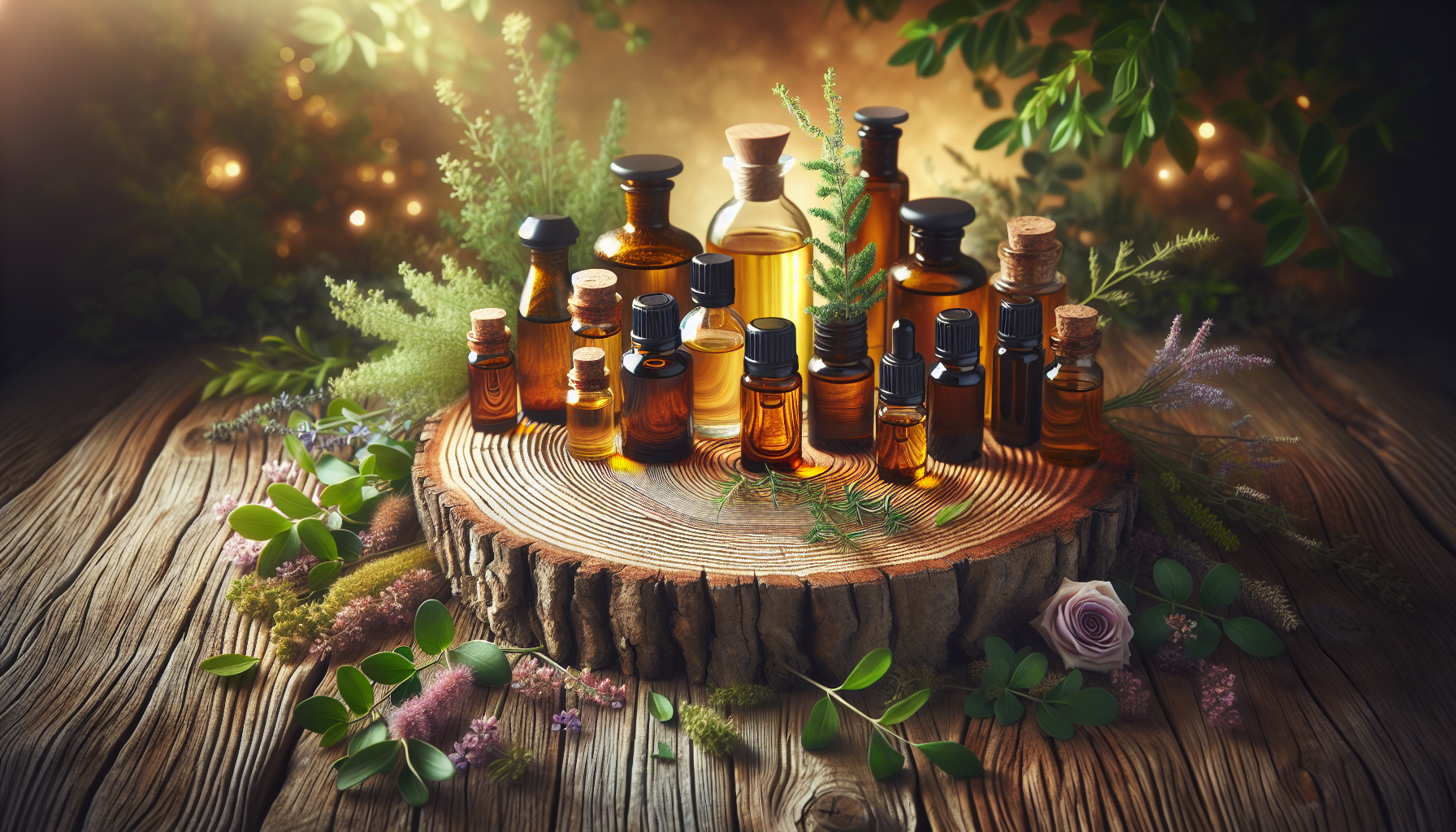
Aromatherapy: A Natural Stress Reliever
The first time I witnessed the true power of essential oils for stress relief, I was completely blown away. I had just finished a particularly chaotic week—deadlines piling up, family visiting, and that feeling of my heart constantly racing. On a whim, I added a few drops of lavender oil to my bedside diffuser, more out of desperation than conviction. Within twenty minutes, my shoulders dropped away from my ears, and my breathing deepened naturally. It felt like someone had literally turned down the volume on my stress.

That’s the beauty of aromatherapy—it works directly with your nervous system in ways that feel almost magical but are firmly rooted in science. When you inhale these plant essences, the aromatic molecules travel straight to your brain’s emotional center, triggering an almost immediate response. Your body’s stress hormone (cortisol) levels actually begin to decrease while your brain releases those feel-good neurotransmitters that signal safety and calm.
What fascinates me most about using aromatherapy for stress management is how quickly it works. Unlike many other natural remedies that require weeks of consistent use, essential oils often produce noticeable effects within minutes. I’ve watched people walk into my workshop space looking completely frazzled and witness their entire demeanor change after just a few deep breaths of a calming blend.
Top Essential Oils for Stress Management
After years of experimentation (and plenty of sniffing!), I’ve discovered certain essential oils truly stand out for their stress-relieving properties. Each has its own unique “personality” and benefits:
Lavender Oil: The Ultimate Anxiety Soother
Lavender oil is my desert island stress-relief oil—if I could only take one, this would be it. Its gentle, floral scent contains natural compounds that actually mimic the action of certain anti-anxiety medications, but without the side effects. I keep a small bottle in my purse at all times. During one particularly stressful flight with terrible turbulence, I put a drop on my wrists and inhaled deeply. While everyone around me white-knuckled their armrests, I managed to actually doze off.
Bergamot Oil: Sunshine in a Bottle
Bergamot oil has this incredible citrusy-floral quality that immediately lifts mood while simultaneously calming anxiety. It’s particularly effective for stress that manifests as depression or sadness. A client once described it as “sunshine in a bottle,” and I couldn’t agree more. I use it in my diffuser on rainy days when the weather starts affecting my mood.

Chamomile Oil: The Gentle Peacemaker
Chamomile oil works wonders for stress that manifests physically—especially tension headaches and tight shoulders. Its sweet, apple-like scent masks incredible anti-inflammatory properties. After discovering its effectiveness, I created a special roller blend with chamomile for my mother, who holds all her stress in her neck and shoulders. She calls it her “liquid massage.”
Frankincense Oil: Ancient Wisdom for Modern Stress
Frankincense oil creates a sense of groundedness when life feels chaotic. Its deep, resinous aroma actually slows and deepens breathing patterns naturally. I’ve found it particularly helpful during major life transitions. When I was moving across the country, feeling completely overwhelmed by boxes and decisions, frankincense in my diffuser nightly kept me centered and capable.
Ylang Ylang Oil: Emotional Balance Restorer
Ylang ylang oil has this intoxicating, exotic floral scent that practically forces your nervous system to relax. It’s particularly effective for stress that causes rapid heartbeat or feelings of panic. The first time I used it during a particularly intense work period, I was shocked at how quickly my racing thoughts settled.
Other Powerful Options
Depending on how your stress manifests, I’ve found these oils can also work wonders:
- Vetiver oil – Deeply grounding, perfect for scattered thoughts and overthinking
- Sandalwood oil – Creates mental clarity during stressful situations
- Clary sage oil – Especially good for hormone-related stress and tension
- Peppermint oil – Refreshes and refocuses an overwhelmed mind
- Lemon oil – Uplifts and energizes when stress leaves you depleted
How to Use Essential Oils for Stress Relief
Having the best essential oils for sleep and stress is only half the battle—knowing how to use them effectively makes all the difference. I’ve experimented with countless methods over the years, and these are the approaches I’ve found most effective:
Diffusion: The Ambient Approach
My aromatherapy diffuser is probably my most-used possession. Adding 5-7 drops of oil (or a blend) to water creates a stress-relieving atmosphere that affects everyone in the room. One evening, I diffused a blend of lavender and frankincense during a heated family discussion, and remarkably, voices lowered and tensions eased within minutes—no one even realized why!
For stress reduction techniques that work throughout the day, try these diffuser blends for stress:
- Daytime Calm: 3 drops bergamot + 2 drops lavender + 2 drops peppermint
- Evening Unwind: 3 drops lavender + 2 drops vetiver + 1 drop chamomile
- Mental Clarity: 3 drops frankincense + 2 drops lemon + 1 drop sandalwood
Topical Application: Targeted Relief
For immediate, portable stress relief, I create diluted roller bottles that can be applied directly to pulse points. The inside of wrists, behind ears, and the back of the neck are where to apply essential oils for stress relief for fastest absorption. Always remember to dilute with a carrier oil like jojoba or sweet almond (about 3-5 drops essential oil per teaspoon of carrier oil).

My go-to stress relief roller blend contains lavender, bergamot, and frankincense in equal parts, diluted in jojoba oil. During one particularly stressful presentation, I discreetly applied this to my wrists, took a few deep breaths, and felt my racing heart steady almost immediately.
Aromatic Bathing: Total Immersion
For holistic stress management that addresses body and mind together, nothing beats an essential oil-infused bath. The combination of warm water relaxing muscles while aromatic molecules calm your mind creates a multi-sensory relaxation experience.
I discovered the power of this approach after a particularly grueling week. I mixed 3 drops lavender, 2 drops ylang ylang, and 1 drop vetiver with a tablespoon of honey (to help disperse the oils) and added it to a warm bath. After soaking for 20 minutes, I felt like a completely different person—the stress had quite literally washed away.
Mindfulness Practices with Essential Oils
Combining essential oils with mindfulness creates a powerful stress management system. I keep a designated “centering blend” (equal parts frankincense and sandalwood) specifically for meditation. The ritual of applying this oil to my palms, warming it between them, inhaling deeply, and then beginning a brief meditation has pulled me through countless stressful moments.
Safety and Precautions
As much as I love sharing the benefits of essential oils for mental health, I’m equally passionate about using them safely. These concentrated plant essences are powerful—which means we need to respect them.
Dilution is Non-Negotiable
I learned this lesson the hard way with an uncomfortable skin reaction early in my essential oil journey. Always dilute oils before applying to skin—typically 1-2% dilution (3-6 drops per tablespoon of carrier oil) for adults. Even “gentle” oils like lavender can cause sensitization if repeatedly used undiluted.
Know Your Sensitivities
Some oils that reduce anxiety for most people might actually increase it for others. I once gave a friend my favorite calming blend, only to have her call me feeling more anxious—her body simply responded differently. Always start with a small amount and pay attention to how you feel.

Special Considerations
If you’re pregnant, have small children or pets, or take medications, additional caution is needed. For example, I love clary sage for stress, but avoid recommending it to pregnant women as it can affect hormones. Similarly, oils like peppermint should never be used around small children, and many citrus oils that help humans with stress can be toxic to cats.
Quality Matters Tremendously
I once purchased a bargain “lavender oil” that smelled artificial and did absolutely nothing for stress relief. I later discovered it was mostly synthetic fragrance! Genuine, therapeutic-grade oils from reputable companies make all the difference in effectiveness and safety.
Conclusion: Embrace Calm with Essential Oils
Finding your perfect essential oils for relaxation is a personal journey—what works magically for one person might be merely pleasant for another. The beauty lies in the exploration. Start with the foundations like lavender or bergamot, then expand based on what resonates with your body and mind.

Stress may be an inevitable part of modern life, but how we respond to it isn’t. These natural plant allies offer a gentle yet powerful path to emotional well-being that has transformed countless stressful moments in my life into opportunities for deeper breath, clearer thought, and genuine calm.
Whether you’re facing occasional anxiety or managing chronic stress, incorporating these aromatic treasures into your daily routine might just change everything—one deep breath at a time.