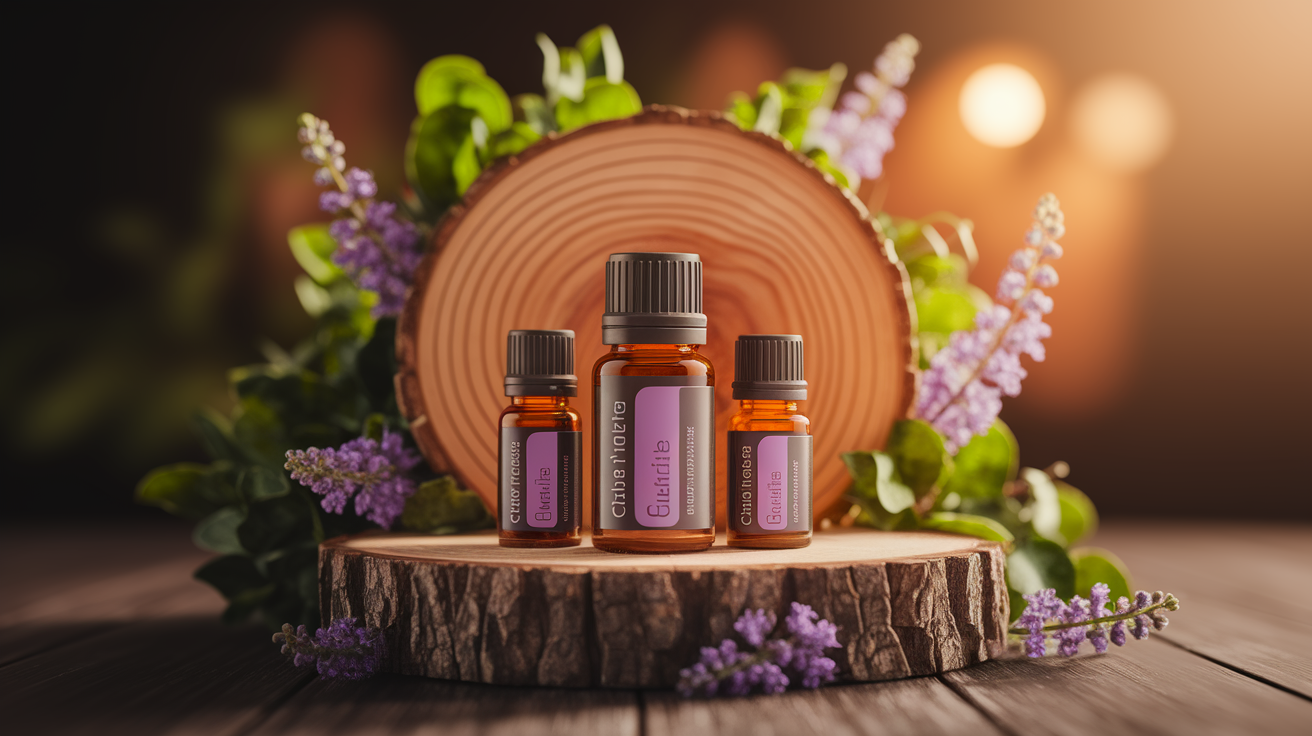
I still remember the day I discovered the difference between organic and conventional essential oils. It was during a distillation workshop in the lavender fields of Provence. The farmer handed me two vials – one from his organic crop and another from a conventional farm down the road. The difference wasn’t just in the scent (though the organic oil had a depth that was utterly captivating). It was knowing exactly what went into creating that perfect drop of nature’s essence. That moment changed everything for me.
Pure and Safe: The Organic Difference
When I work with organic essential oils, I’m always struck by their exceptional purity. These precious extracts come from plants grown without synthetic fertilizers, pesticides, or herbicides – just as nature intended. The difference isn’t marketing hype; it’s chemistry and common sense.
I’ve visited both conventional and organic essential oil farms, and the contrast is striking. On organic farms, you’ll find thriving ecosystems where beneficial insects buzz about and soil teems with life. The plants develop complex defense mechanisms naturally, which actually enhances their therapeutic compounds. It’s fascinating to witness!
The extraction process matters just as much as how the plants are grown. The finest organic oils are carefully extracted through steam distillation or cold pressing, preserving the delicate plant compounds that give each oil its unique properties. Once, I watched a master distiller monitor temperature with meticulous care during lavender oil extraction – “Half a degree too hot,” he told me, “and we lose the esters that make this oil so calming.”
What you won’t find in certified organic essential oils are the residual chemicals that often contaminate conventional options. Think about it – if a plant is repeatedly sprayed with pesticides, those substances can concentrate in the oil. I’ve always found it paradoxical when people use essential oils for health purposes without considering whether those oils might contain potentially harmful residues.

How to Identify Truly Organic Oils
Not all oils labeled “pure” are created equal. I look for proper certification – USDA Organic or similar international standards – which ensures the entire production process meets strict environmental and agricultural guidelines. True organic oils come with transparency about sourcing, extraction methods, and testing procedures. A reputable company should be able to provide this information without hesitation.
When testing new oils, I always perform the simple paper test: place a drop on white paper. Pure essential oil evaporates completely without leaving an oily residue, while adulterated oils often leave a ring. It’s a small test that’s saved me from many disappointing purchases!
Therapeutic Benefits of Organic Essential Oils
There’s something truly remarkable about using an oil that contains the full spectrum of compounds exactly as nature designed them. The therapeutic potential of organic essential oils stems from their complete, unaltered biochemical profiles.
Last winter, I caught a particularly stubborn cold. Rather than reaching for synthetic options, I created a respiratory blend with organic eucalyptus, tea tree, and frankincense. The difference was noticeable within hours – my breathing eased, and that familiar fog began to lift. Scientific research confirms what traditional healers have known for centuries: essential oils possess impressive antimicrobial and anti-inflammatory properties.
I’ve seen countless clients benefit from organic essential oils for stress reduction and sleep improvement. One memorable case was an executive who’d tried “everything” for his insomnia. We created a personalized blend of organic lavender, vetiver, and sweet orange. Two weeks later, he called to say he was sleeping through the night for the first time in years.

Organic oils tend to have more complex aromas and effects because they contain the full range of trace compounds that develop naturally when plants grow in healthy soil without chemical interventions. These subtle components work synergistically to enhance the oil’s overall therapeutic impact – something that’s often missing in conventionally produced alternatives.
Specific Benefits for Common Concerns
The health benefits of essential oils extend to many everyday concerns:
- For tension headaches, I’ve found organic peppermint oil provides remarkable relief when applied diluted to the temples.
- Organic tea tree oil has been my go-to for minor skin irritations for years, with consistent results.
- The soothing properties of organic chamomile have helped countless friends calm nervous tension.
- For immune support during seasonal challenges, organic oregano and thyme oils have been invaluable additions to my wellness toolkit.
I always notice that organic oils have a more nuanced scent profile that evolves over time – the top notes might fade first, revealing heart notes and finally base notes. This complexity not only creates a more interesting aromatic experience but also contributes to the oil’s therapeutic potential, affecting our mood, stress levels, and even cognitive function.
Environmental and Ethical Impact
My journey with essential oils has taken me to farms across the globe, and I’ve seen firsthand how organic farming practices nurture ecosystems rather than depleting them. Choosing organic isn’t just about what’s not in the bottle – it’s about supporting a system that gives back to the earth.
On an organic rose farm in Bulgaria, I watched as the farmer pointed out the rich biodiversity in his fields – beneficial insects controlling pests naturally, native plants flourishing alongside the roses, and soil that was dark and crumbly with life. “The land takes care of us if we take care of it,” he told me, a philosophy that resonates deeply with why I choose organic.
Conventional essential oil production often involves monocropping and heavy pesticide use, which depletes soil nutrients and contributes to water pollution. By contrast, organic farming practices help restore soil health, conserve water, and promote biodiversity. The farmers I most respect view themselves as stewards of the land, preserving it for future generations.

There’s also the human element to consider. Many organic essential oil producers maintain fair trade relationships with harvesters and distillers, ensuring ethical labor practices and supporting local communities. I once visited a cooperative in Morocco where organic essential oil production had transformed the economic prospects of an entire village.
The environmental benefits extend beyond the farm. Organic production typically uses less energy and produces fewer greenhouse gases compared to conventional methods. When I calculate the true cost of an essential oil, I include these broader impacts – the health of ecosystems, communities, and our planet.
Conclusion: Embrace the Organic Choice
After years of working with both conventional and organic essential oils, the choice for me is clear. Organic oils offer superior purity, more complex therapeutic properties, and align with my values for environmental stewardship and ethical business practices.
Yes, organic essential oils often come with a higher price tag, but when I consider what goes into producing them – the careful growing methods, meticulous harvesting, proper distillation, and rigorous testing – I understand the value. In my experience, you typically need less of a high-quality organic oil to achieve the desired effect, so they can actually be more economical in the long run.

What began as a simple preference has evolved into a passion for oils that embody the very best that nature offers. When I twist open a bottle of organic lavender or citrus oil, I’m not just experiencing a beautiful scent – I’m connecting with a complete story of sustainable agriculture, careful craftsmanship, and uncompromising quality.
I encourage you to experience the difference for yourself. Your wellbeing, and our planet, deserve nothing less than the purest essence of nature that organic essential oils provide.