Introduction – The Aroma Revolution in Commercial Spaces
The moment I walked into that upscale hotel lobby, something magical happened. Before I even saw the elegant furnishings or noticed the attentive staff, I was enveloped by a subtle, inviting fragrance that immediately put me at ease. That’s when it clicked for me—this wasn’t just pleasant, this was strategic scent marketing at work. What once was limited to a plug-in air freshener or the occasional reed diffuser has evolved into sophisticated smart scent systems that are transforming commercial environments.
The scent revolution happening in commercial spaces isn’t just about masking odors anymore. It’s about creating emotional connections, enhancing brand identity, and even influencing behavior—all through the carefully orchestrated power of aroma. I’ve witnessed firsthand how a thoughtfully designed scent strategy can transform a mundane retail experience into something memorable, or turn a standard office environment into a productivity powerhouse. The science behind this sensory marketing is fascinating, and the technology making it possible is nothing short of revolutionary.
Understanding Smart Scent Systems
Smart scent systems are worlds away from those basic diffusers you might use at home. These sophisticated technologies deliver consistent, customizable fragrance experiences throughout large commercial environments with remarkable precision. Most impressive are the diffusion mechanisms—I’m particularly fascinated by cold-air diffusion technology that preserves the integrity of essential oils by never heating them, allowing their therapeutic properties to remain intact.
While exploring different technologies for a client’s retail chain, I discovered that patented cold-air diffusion systems can disperse essential oils as micro-droplets so fine they remain suspended in the air for hours. Unlike traditional diffusers that might leave residue or provide uneven scent coverage, these smart systems ensure that fragrance is distributed uniformly throughout even the largest spaces.
The real game-changer is how these systems integrate with existing infrastructure. Some connect directly to HVAC systems, allowing the scent to travel naturally through air ducts to cover entire buildings. Others operate as standalone units with sophisticated digital scent control capabilities that can be managed remotely. I recently helped implement a system where the store manager could adjust fragrance intensity from her smartphone based on store traffic—lowering it during busy hours and increasing it during quieter periods.
Essential Oil Integration
Not all essential oils are created equal, especially when it comes to commercial applications. When I’m consulting on a new scent marketing project, I always emphasize the importance of using high-quality, IFRA-compliant oils that are specifically formulated for nebulizing technology. The difference is immediately noticeable—pure oils deliver cleaner, more authentic aromas without the chemical undertones that can trigger sensitivities.
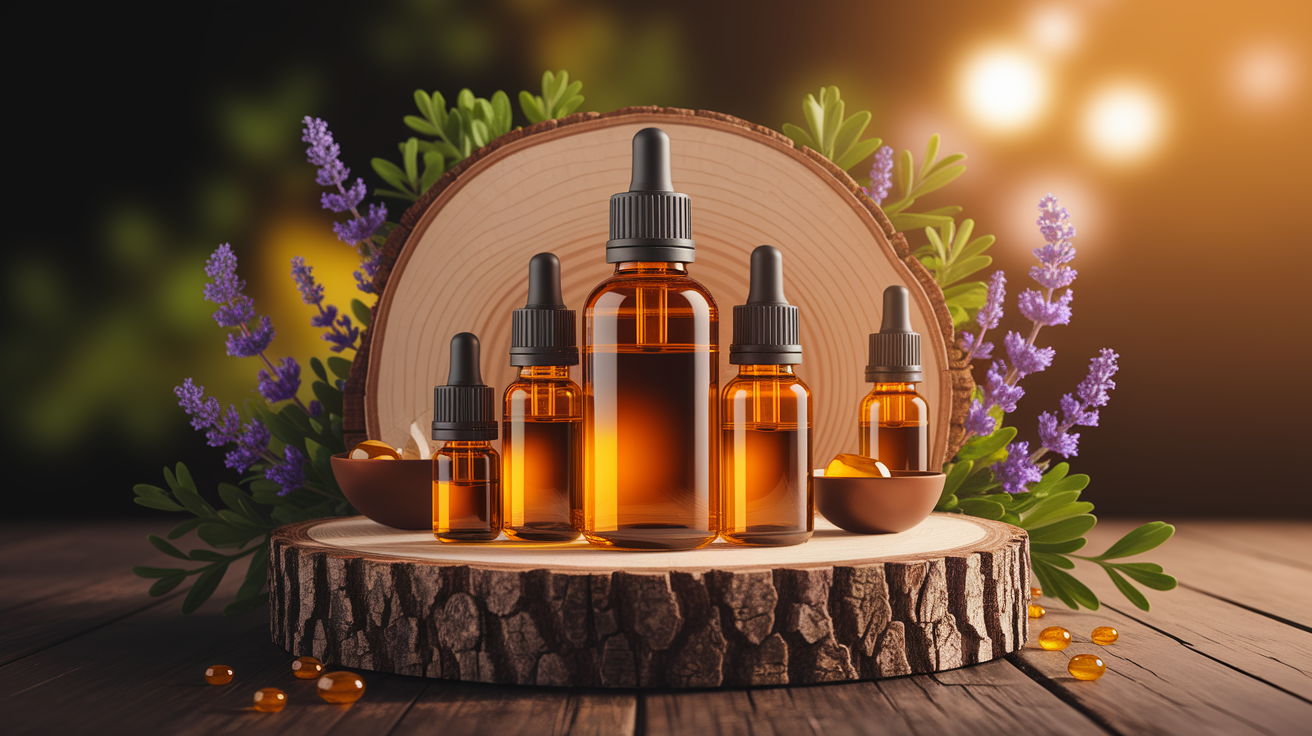
I once worked with a luxury spa that had been using synthetic fragrances in their lobby. When we switched to a waterless nebulizing system with pure essential oils, guests began commenting on the improvement before the staff even mentioned the change. The natural citrus and cedar blend created an atmosphere that felt both refreshing and grounding—exactly the experience they wanted to deliver.
The integration process is fascinating—commercial systems are engineered to handle essential oils without degradation. The oils are typically stored in specialized cartridges that connect to the diffusion mechanism, which then transforms them into microdroplets. This preservation of the oil’s molecular structure is crucial for maintaining their therapeutic benefits. I’m particularly impressed with systems that incorporate SafeLock features to prevent leakage and ensure that these powerful plant extracts are dispersed safely in public spaces.
Applications in Commercial Spaces
The versatility of smart scent systems is what makes them so valuable across different industries. In retail environments, I’ve helped create signature scents that customers now associate exclusively with specific brands—a powerful subconscious connection that brings shoppers back time and again. One clothing retailer I worked with saw a 23% increase in time spent in-store after implementing a subtle vanilla and amber scent profile throughout their locations.
Office spaces present a different but equally valuable opportunity for scent integration. I’m often brought in to help boost workplace productivity and employee wellbeing through strategic scent scheduling. Morning hours might feature energizing citrus notes to increase focus, while afternoon fatigue is countered with mint or rosemary to stimulate mental clarity. The basics of smart scent technology make it possible to program these transitions automatically, creating an olfactory journey throughout the workday.

Healthcare facilities have perhaps the most touching applications. I worked with a memory care unit that implemented lavender and chamomile scenting in the evenings, resulting in improved sleep patterns for residents and reduced nighttime anxiety. The ability to create these calming environments through automated fragrance dispersion systems has been one of the most rewarding aspects of my work with essential oils.
Hotels have embraced scent marketing with particular enthusiasm. I recently helped a boutique hotel chain develop a different signature scent for each of their properties, reflecting the unique character of each location while maintaining brand cohesion. Their guest satisfaction scores increased notably, with many visitors specifically mentioning the pleasant atmosphere in their reviews.
Features and Benefits of Modern Systems
The technology behind today’s commercial scent systems continues to amaze me. Working with a major shopping mall recently, I was able to demonstrate how their new system could be controlled entirely through a cloud-based platform. The facilities manager could adjust scent intensity in different wings of the mall based on current occupancy—all from his mobile device while attending a conference across the country.
Energy efficiency is another impressive advancement. Modern systems use surprisingly little power considering their effectiveness, and many feature smart scheduling that automatically adjusts operation based on business hours. One system I particularly like even adapts its diffusion rate based on room temperature and humidity levels, ensuring consistent scent experiences regardless of environmental conditions.
Maintenance has become remarkably simple as well. The days of constantly refilling diffusers are gone—many commercial systems can operate for weeks or months without requiring attention. When they do need servicing, automatic notifications alert facility managers before scent cartridges run empty. For businesses concerned about consistency across multiple locations, these professional-grade fragrances and standardized equipment ensure that a brand smells identical whether you’re in Boston or Barcelona.
The noise factor—or lack thereof—is crucial in commercial environments. I’m always impressed by how silently these systems operate; you can stand right next to a commercial diffuser and barely hear a whisper. This is essential for environments like spas, libraries, and upscale retail where ambiance is everything.
Conclusion – Scenting the Future of Commercial Spaces
As we look ahead, I see smart scent technology becoming as standard in commercial design as lighting and sound systems. The integration possibilities continue to expand—imagine hotel rooms that automatically adjust their scent profile based on guest preferences stored in loyalty program data, or retail spaces that synchronize fragrance releases with visual displays and music.
What excites me most is how this technology is making the profound benefits of essential oils accessible in public spaces. When implemented thoughtfully, these systems create environments that not only smell pleasant but actively contribute to wellbeing, productivity, and positive experiences.
The aroma revolution in commercial spaces is just beginning, and the possibilities for creating meaningful sensory experiences through smart technology and natural essential oils are virtually limitless. Every space tells a story—now that story can engage all the senses, creating deeper connections and more memorable experiences for everyone who enters.