The first time I used lavender oil during a particularly stressful week, I was genuinely surprised. There I was, skeptical but desperate, dabbing a tiny amount on my wrists and taking deep breaths. Within minutes, my racing thoughts began to quiet, and my tense shoulders started to drop. That moment changed everything for me. What started as curious experimentation blossomed into a decade-long journey exploring these powerful plant extracts and their remarkable ability to transform our stress response.
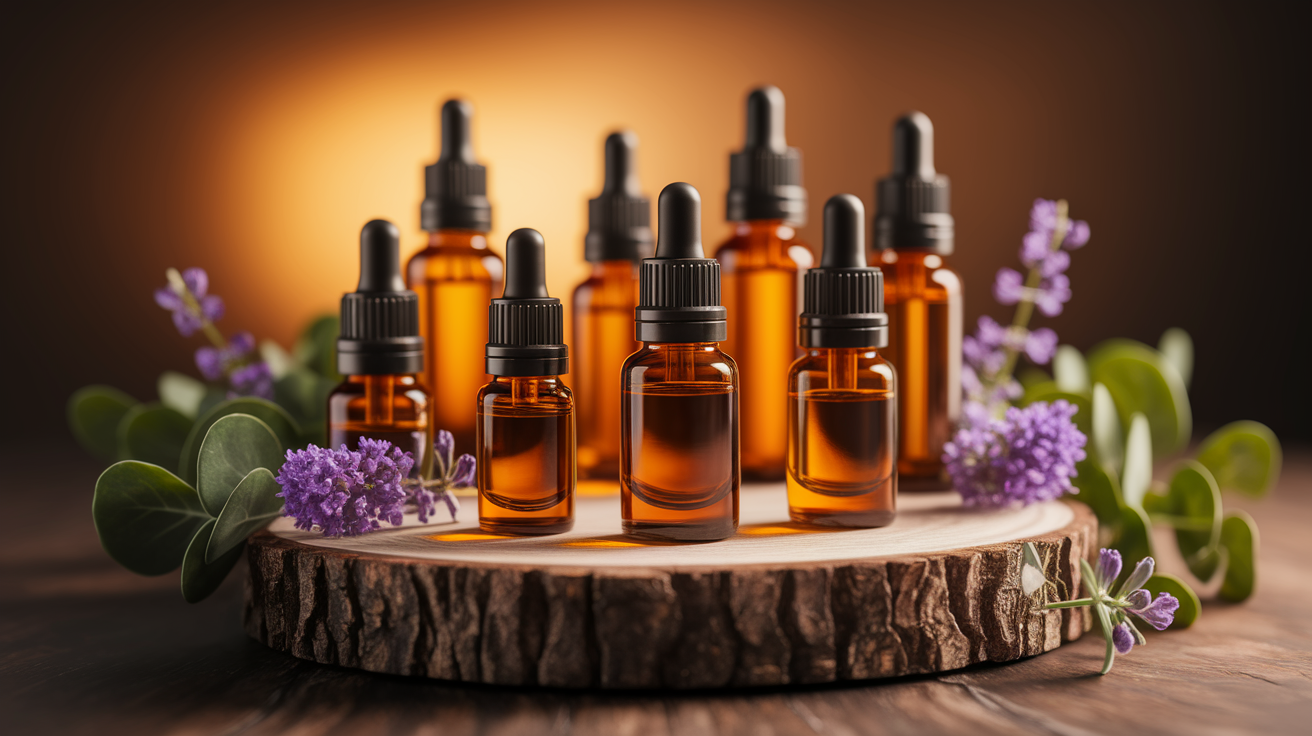
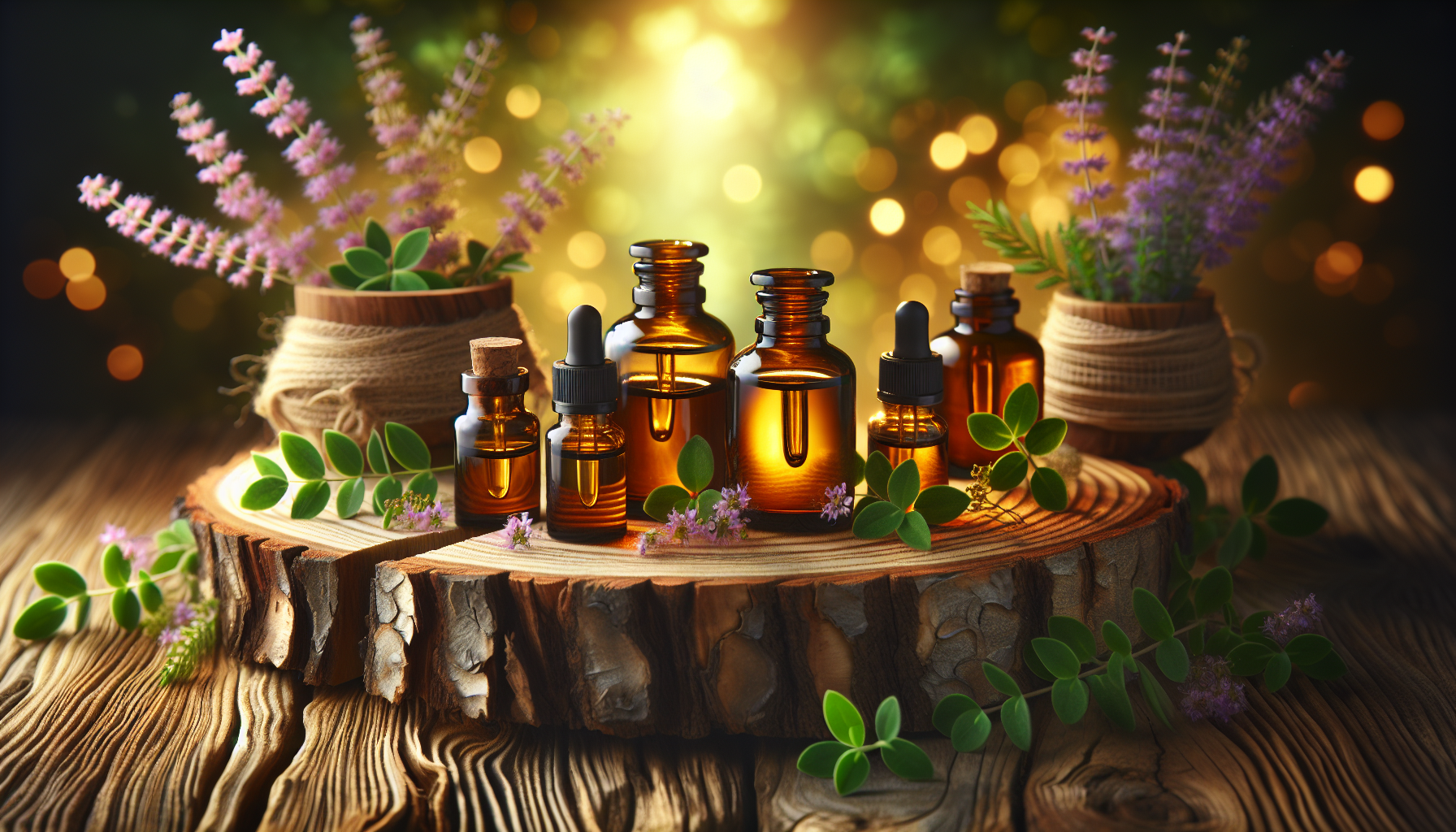
These little bottles aren’t just pleasant smells—they’re concentrated plant power that can genuinely help during life’s most overwhelming moments. Let me share what I’ve discovered about these natural treasures and how they might become your favorite stress-busting companions too.
The Science Behind Essential Oils and Relaxation
One night while diffusing bergamot in my living room, my scientist friend asked, “But how exactly is this affecting my brain?” It’s a brilliant question that deserves a straightforward answer.
When you inhale essential oils, those tiny aromatic molecules travel directly to your limbic system—essentially your brain’s emotional control center. This isn’t just pleasant; it’s powerful. These molecules can actually influence your neurotransmitters like serotonin and endorphins, those feel-good chemicals that regulate your mood and stress response.
I’ve seen research showing that oils like lavender and bergamot actually reduce cortisol levels—that notorious stress hormone that wreaks havoc when it stays elevated too long. During a particularly difficult period when I was experiencing insomnia, tracking my stress response while using lavender before bed showed noticeable improvements in just a week.
What fascinates me most is how these natural substances influence our hypothalamic-pituitary-adrenal axis (I know that’s a mouthful!). In simple terms, this is your body’s stress response system. Studies have demonstrated that inhaling certain oils can calm this system down when it’s in overdrive. I’ve watched this play out countless times in workshops I’ve conducted, where participants’ breathing visibly slows and their facial tension melts away during guided aromatherapy sessions.
Popular Essential Oils for Stress Management
Through years of personal use and client work, I’ve found certain oils consistently rise to the top for stress relief. Here are my tried-and-true favorites:
- Lavender oil: My desert island oil! Nothing calms a racing mind like lavender. I carry a small bottle in my bag for stressful moments—one deep inhalation can shift my entire mood. Beyond relaxation, I’ve used it on minor kitchen burns and found its antibacterial properties truly impressive.
- Bergamot oil: This citrusy wonder helped me through a particularly difficult work transition. It has this remarkable ability to lift your spirits while simultaneously quieting an overactive mind. I diffuse it during afternoon slumps when I need to stay focused but calm.
- Chamomile oil: On evenings when my mind won’t stop churning, chamomile oil becomes my best friend. Its gentle, apple-like scent signals to my body that it’s time to transition to rest mode.
- Ylang ylang: I discovered this floral powerhouse during a retreat in Bali. It’s remarkably effective for addressing both physical and emotional tension—I use it diluted in massage oil when my shoulders creep up to my ears from stress.
- Frankincense: My go-to for meditation. Something about its deep, resinous aroma helps anchor my attention when anxiety has me scattered in a thousand directions.
The therapeutic properties of these oils extend beyond just their pleasant aromas—they’re working at both psychological and physiological levels. Sweet orange oil, for instance, has this fascinating paradoxical effect: despite its bright, energizing scent, it actually calms the nervous system and eases anxious thoughts.
Methods of Using Essential Oils
Finding your perfect application method can make all the difference. I learned this the hard way after once applying undiluted peppermint oil directly on my skin before an important presentation—the burning sensation definitely added to my stress rather than reducing it!
Here are the methods I rely on most:
- Inhalation: Often, I simply open a bottle and take 5-10 deep breaths. The volatile compounds reach your brain incredibly quickly this way—making it perfect for acute stress moments. I’ve coached many clients through panic attacks using this simple technique.
- Diffusion: My bedroom diffuser is perhaps my most-used relaxation tool. Adding 5-7 drops of lavender or a relaxing blend about 30 minutes before bedtime transforms my sleep environment completely. Consistent evening aromatherapy signals to your body that it’s time to wind down.
- Topical application: I mix my essential oils with carrier oils like sweet almond or jojoba (typically 3-5 drops per tablespoon) for massage. The ritual of applying this to my neck and shoulders while taking deep breaths has talked me down from countless stress spirals.
- Aromatic bathing: Adding a few drops to a warm bath creates an immersive relaxation experience. I discovered this method during a particularly difficult month, and it became my twice-weekly reset button.
What I’ve found most effective is creating consistent aromatherapy routines. The Cleveland Clinic notes that aromatherapy can help decrease heart rate and blood pressure—physiological markers of stress—but consistency amplifies these benefits. My evening ritual of bergamot and lavender has become so associated with relaxation that sometimes just preparing the oils triggers my relaxation response.
Blending Essential Oils for Enhanced Effects
The first time I created a successful blend was completely by accident. Desperate during final exams in my aromatherapy certification program, I combined bergamot, lavender, and frankincense. The result was so much more effective than any single oil—I slept better that night than I had in weeks!
Since then, I’ve become somewhat obsessed with the art of blending for stress relief. Here’s what I’ve learned:
Research shows that blends with bergamot as a primary component, combined with compounds like linalool (found in lavender) and limonene (found in citrus oils), are consistently preferred for relaxation. These create balanced, fresh scents that appeal across genders and personalities.
Some of my favorite relaxation blends include:
- Sleep Support: 3 drops lavender, 2 drops chamomile, 1 drop bergamot
- Anxiety Ease: 3 drops frankincense, 2 drops bergamot, 1 drop ylang ylang
- Meditation Helper: 3 drops frankincense, 2 drops lavender, 1 drop sandalwood
- Tension Tamer: 3 drops peppermint, 3 drops lavender, 2 drops eucalyptus
I’ve found that personal preference plays an enormous role in effectiveness. What works wonderfully for one person might be overwhelming for another. I always encourage experimenting with different ratios and combinations while keeping notes on what brings you the greatest sense of calm.
The most effective blends tend to have a balance of top notes (the first scents you detect), middle notes (the heart of the blend), and base notes (the scents that linger longest). This creates a more complex, satisfying aromatic experience that keeps your mind engaged with the present moment—a key aspect of stress reduction.
Safety and Efficacy Considerations
I learned about essential oil safety the hard way. During my early explorations, I experienced a skin reaction from using undiluted tea tree oil that took weeks to resolve. Since then, I’ve become passionate about sharing responsible usage guidelines.
Always keep these considerations in mind:
- Dilution is crucial: Even the gentlest oils should be diluted in carrier oils before skin application. My general rule is 2-3 drops per teaspoon of carrier oil for facial applications and 5-8 drops per tablespoon for body applications.
- Individual sensitivity varies: What works beautifully for me might cause irritation for you. Always conduct a patch test before using a new oil extensively.
- Pregnancy considerations: During my pregnancy, I consulted with both my aromatherapist colleagues and my doctor to identify which oils were safe to continue using. Many oils that are perfectly fine normally should be avoided during pregnancy.
- Quality matters immensely: I once purchased a bargain “lavender oil” that smelled artificial and provided none of the usual benefits. I later learned it was mostly synthetic fragrance. True therapeutic grade oils from reputable sources make all the difference.
While the research on essential oils is promising, it’s important to acknowledge that some studies suggest the expectancy effect plays a role—believing aromatherapy will work actually helps it work better. Rather than dismissing this, I embrace it! The mind-body connection is powerful, and if my positive associations with lavender enhance its effectiveness, that’s a benefit worth leveraging.
I’ve found that setting realistic expectations leads to greater satisfaction. Essential oils are powerful tools for stress management, but they work best as part of a holistic approach that might include mindfulness practices, adequate sleep, proper nutrition, and sometimes professional support.
Conclusion: Embrace Aromatherapy for a Calmer Life
That small bottle of lavender oil that started my journey sits on my nightstand to this day—a reminder of how something so simple can profoundly change our relationship with stress. Through countless personal experiences and sharing these oils with others, I’ve witnessed their ability to create moments of peace amid life’s chaos.
Essential oils aren’t magic potions, but they are remarkable tools that connect us to plants’ ancient wisdom. Whether you’re facing occasional stress or managing ongoing anxiety, finding your perfect aromatic allies might be one of the kindest gifts you can give yourself.
Start small, perhaps with a single oil that calls to you, and let your intuition guide your exploration from there. Your perfect relaxation blend is waiting to be discovered, ready to help you unwind naturally and embrace a more balanced life.