The summer sun beckons us outdoors, but as I’ve discovered through years of working with essential oils, nature provides fascinating tools that can complement our sun protection strategy. I’ve tested countless oil combinations and formulations, always with that burning question (pun intended): can these aromatic plant extracts genuinely help shield our skin from harmful rays? What I’ve uncovered might surprise you—there’s truth behind the claims, but also important limitations we need to understand.
The Truth About Essential Oils and Sun Protection
I’ll never forget my first deep dive into researching SPF values of essential oils. Sitting in my sunlit workspace, surrounded by tiny amber bottles, I expected to confirm what many blogs claimed—that certain oils could replace conventional sunscreens. What I found instead was far more nuanced.
Sun Protection Factor (SPF) measures how well a substance blocks UVB rays—the ones responsible for those painful sunburns we all dread. When scientists test essential oils for SPF, they use sophisticated spectrophotometric methods like the Mansur equation to determine UV absorption capabilities across specific wavelengths (290-320 nm).

Here’s where things get interesting: these lab tests don’t account for real-world factors like sweat, water exposure, or how the oils interact with your unique skin chemistry. The theoretical SPF values we see in research papers aren’t equivalent to the clinical SPF ratings you’ll find on commercial sunscreen bottles.
Most essential oils offer minimal sun protection, typically between SPF 1-7. Their protective qualities come primarily from antioxidant properties found in compounds like polyphenols and tocopherols, rather than broad-spectrum UV blocking ability. I’ve had to explain this reality check to many disappointed customers who believed they could ditch conventional sunscreen entirely.
Top Essential Oils with Sun Protection Potential
Through my experiments and reviewing peer-reviewed research, I’ve identified several essential oils with measurable (albeit modest) sun protection potential. I keep these in my summer formulation toolkit:
- Peppermint oil – The champion with SPF values around 7, thanks partly to its menthol content
- Tulsi (Holy Basil) oil – Also showing SPF values near 7 in laboratory testing
- Lavender oil – Coming in with SPF values around 6, plus skin-soothing benefits
- Orange oil – Offering approximately SPF 4 protection
- Eucalyptus oil – With SPF values around 3
- Tea Tree oil – Providing about SPF 2 protection
- Rose oil – With minimal protection around SPF 1
I’ve encountered wild claims online about carrot seed oil offering SPF 38-40, which initially had me incredibly excited. After investigating these assertions thoroughly, I discovered they stem from flawed extrapolations of studies on herbal extracts, not the essential oil itself. Even my beloved fixed oils like raspberry seed typically outperform essential oils but still fall dramatically short of the recommended SPF 30+ for reliable protection.
One afternoon while formulating in my garden, I applied pure peppermint oil diluted in jojoba to half my forearm and conventional SPF 30 to the other half before some light gardening. The contrast in protection was stark—a gentle reminder that these natural substances have real but limited capabilities.
The Role of Essential Oils in Sun Protection Formulations
Where essential oils truly shine isn’t as standalone sunscreens, but as valuable additions to proper sun protection formulations. Their benefits extend far beyond their modest UV absorption.
These aromatic wonders contain natural antioxidants like vitamin E and carotenoids that help neutralize the free radicals generated by sun exposure. I’ve observed firsthand how oils like almond (with SPF ~4.7) and peppermint can help reduce redness and inflammation after sun exposure while maintaining skin hydration.
In my workshop, I’ve created some remarkably effective formulations by combining essential oils with mineral sunscreen ingredients like zinc oxide or titanium dioxide. The essential oils improve spreadability, enhance fragrance naturally (goodbye, chemical scents!), and increase stability. They create a more uniform protective film on the skin—something I notice immediately in application tests.
One of my personal breakthroughs was discovering how lavender and peppermint oils can transform the sensory experience of wearing mineral sunscreens. The cooling sensation of peppermint combined with the soothing properties of lavender makes reapplication feel like a spa treatment rather than a chore, which means my clients actually use it consistently—the real key to sun protection.
Expert Recommendations for Safe Sun Protection
After years of formulating and testing, my approach to sun protection has evolved into a balanced system that harnesses the benefits of essential oils without relying on them exclusively. Here’s what I’ve found works best:

- Always start with a mineral or chemical sunscreen with minimum SPF 30 as your foundation
- Incorporate essential oils like peppermint and lavender into your formulation for their complementary benefits
- Remember that essential oils enhance rather than replace conventional sun protection
- Apply your protection generously and reapply every two hours or after swimming/sweating
- Seek shade during peak sun hours (10am-4pm)
- Don’t be fooled by exaggerated SPF claims for natural oils
I’ve learned that even the highest-rated natural oils like raspberry seed oil block only about 95% of UVB rays, which falls below the 97% blocking required for SPF 30 classification. The science is clear—while essential oils offer valuable benefits, they simply cannot provide adequate standalone protection.
Last summer, I held workshops teaching people to create personalized after-sun blends with essential oils. The combination of proper sun protection plus targeted essential oil formulations for post-sun care gave participants the confidence to enjoy the outdoors safely while still embracing natural ingredients.
Conclusion: Essential Oils as Sun Protection Allies, Not Replacements
My journey with essential oils has taught me to appreciate their genuine benefits while acknowledging their limitations. These aromatic plant extracts offer real value in our sun protection arsenal—enhancing formulations, providing antioxidant support, and improving the sensory experience of sun care products.
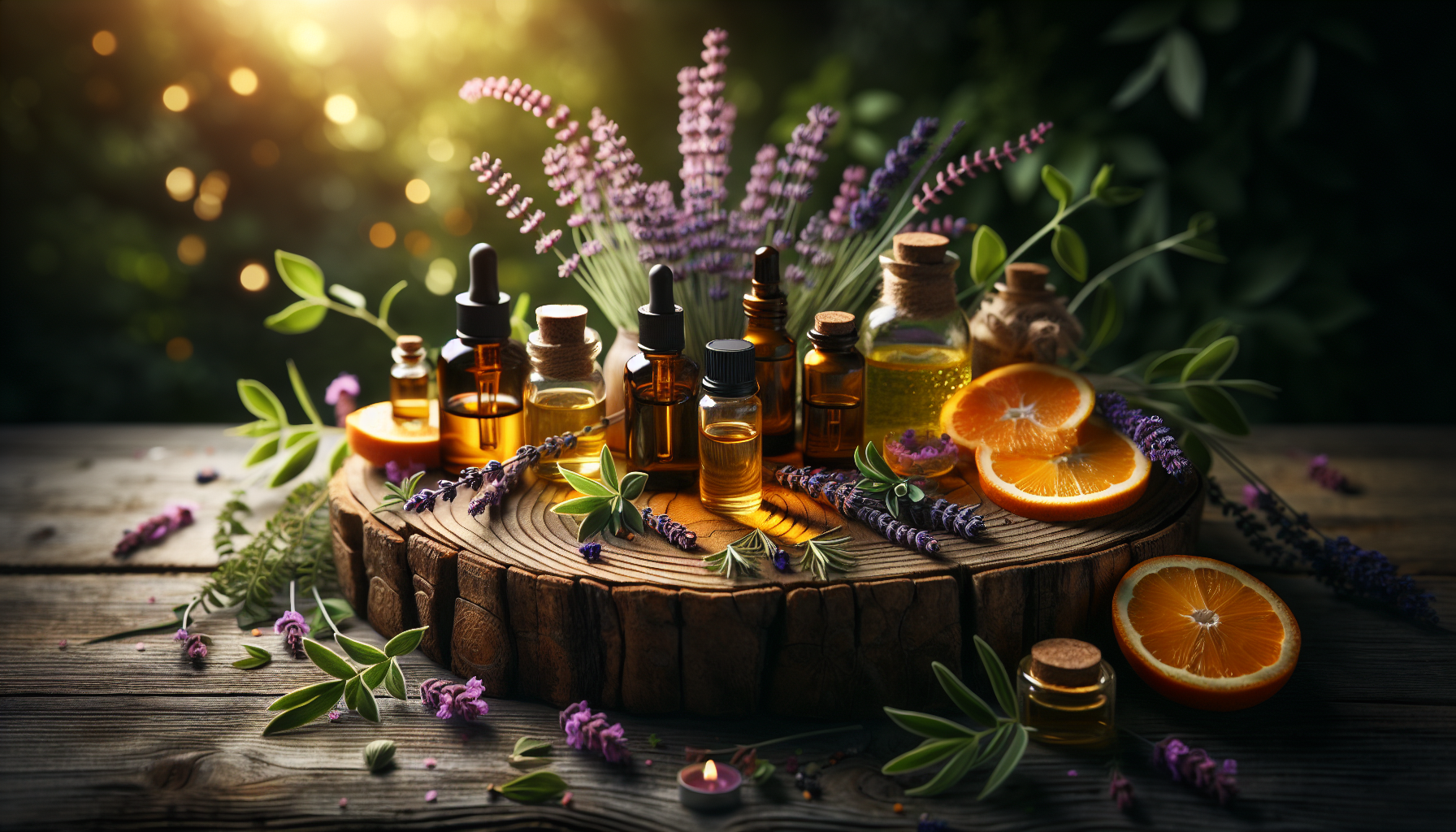
However, the scientific evidence clearly demonstrates that essential oils should complement, never replace, conventional sunscreens. By understanding both the potential and limitations of these natural treasures, we can create truly effective sun protection strategies that harness the best of both worlds.
The next time you’re blending oils for summer skin care, remember: these powerful plant essences are your allies in sun protection—partners that work alongside proper sunscreen to nurture your skin through the sunny season.