Unlocking Mindfulness with Aromatherapy
The first time I paired essential oils with my mindfulness practice, something magical happened. I was sitting cross-legged on my living room floor, feeling distracted and fidgety, when I decided to try diffusing some lavender oil. Within minutes, my racing thoughts slowed down, my shoulders relaxed, and I found myself actually present instead of mentally reviewing my to-do list.
That moment changed everything for me. What I didn’t realize then but understand deeply now is that there’s a fascinating scientific reason behind this transformation. Essential oils work through our olfactory system, which connects directly to our limbic brain – the emotional center that influences memory, stress responses, and even our ability to be present.
When we inhale essential oils during mindfulness practice, those aromatic compounds don’t just smell nice – they actually trigger neurochemical changes that support our meditation goals. Some oils can reduce stress hormones like cortisol by up to 25%, creating the perfect internal environment for mindfulness to flourish.
What’s truly remarkable is how quickly this mind-body connection happens. In the time it takes to inhale deeply once or twice, your brain is already responding to these natural aromatic allies.
Essential Oils for Emotional Balance
Emotional balance is the cornerstone of effective mindfulness practice, and I’ve discovered certain oils consistently help create that stable internal landscape we’re seeking.
Lavender has been my trusty companion through countless meditation sessions. There was this one week when work deadlines had me completely frazzled – my mind jumping between thoughts like a caffeinated squirrel. I placed three drops of lavender oil on a tissue, took five deep breaths, and felt my nervous system downshift almost immediately. Research confirms what I experienced – lavender reduces cortisol levels and calms stress responses, making it easier to settle into mindfulness.
Bergamot has been another game-changer for my emotional state. This citrusy wonder has been shown to lower anxiety by over 30% in some studies. I remember using it before a particularly challenging group meditation retreat where I was feeling intimidated. The uplifting yet grounding quality helped me find that sweet spot between alert and relaxed – exactly where mindful awareness thrives.
For those days when sadness or low mood makes mindfulness feel like swimming upstream, jasmine and ylang-ylang create an emotional bridge back to balance. The subtle floral notes seem to clear emotional cloudiness, allowing space for self-compassion to emerge during practice.
Enhancing Focus and Clarity
Let’s talk about the elephant in the meditation room – maintaining focus! Even after years of practice, my mind still wanders. That’s where oils like rosemary and peppermint have transformed my sessions.
I once had to lead an important mindfulness workshop after a night of poor sleep. Twenty minutes before participants arrived, I applied a drop of peppermint oil to my palms, rubbed them together, cupped my hands over my nose, and breathed deeply. The mental fog lifted almost immediately. Peppermint oil has been shown to enhance focus, while rosemary can improve cognitive performance by up to 28% – little aromatic assistants keeping us anchored in the present moment.

What fascinates me about these focus-enhancing oils is how they manage to sharpen attention without creating the jittery energy that caffeine might. Instead, they seem to clear mental pathways, making it easier to notice when your mind wanders and gently bring it back – the essential skill of mindfulness practice.
I’ve also found alternating these oils keeps my practice fresh. Our olfactory system can become habituated to scents, so rotating between rosemary, peppermint, and lemon helps maintain their effectiveness over time.
Spiritual Grounding Through Scent
Some essential oils seem to operate on a different level entirely – connecting us to something deeper during mindfulness practice. Frankincense has been used in spiritual ceremonies for thousands of years for good reason. The first time I diffused it during meditation, I felt an almost immediate sense of spaciousness and connection.
There was this memorable autumn evening when I was feeling particularly disconnected from my practice. Everything felt mechanical and empty. I reached for my frankincense, added a few drops to my diffuser, and within minutes found myself settling into a profound sense of presence that transcended the usual mental chatter. Frankincense has been shown to support spiritual grounding in various mindfulness traditions.

Sandalwood creates a similar effect but with its own unique character – like a gentle anchor drawing you deeper into present-moment awareness. I’ve found it particularly helpful during chakra balancing meditations, where its earthy quality seems to strengthen the connection between breath, body, and awareness.
These spiritual allies aren’t about creating supernatural experiences but rather about removing the barriers that keep us from experiencing the depth already available in mindfulness practice. They help quiet the inner critic and amplify our natural capacity for presence.
Practical Application of Essential Oils
After years of experimenting, I’ve found that how you use these oils matters as much as which ones you choose. For mindfulness practice specifically, inhalation methods reign supreme because they provide the most direct route to the limbic brain.
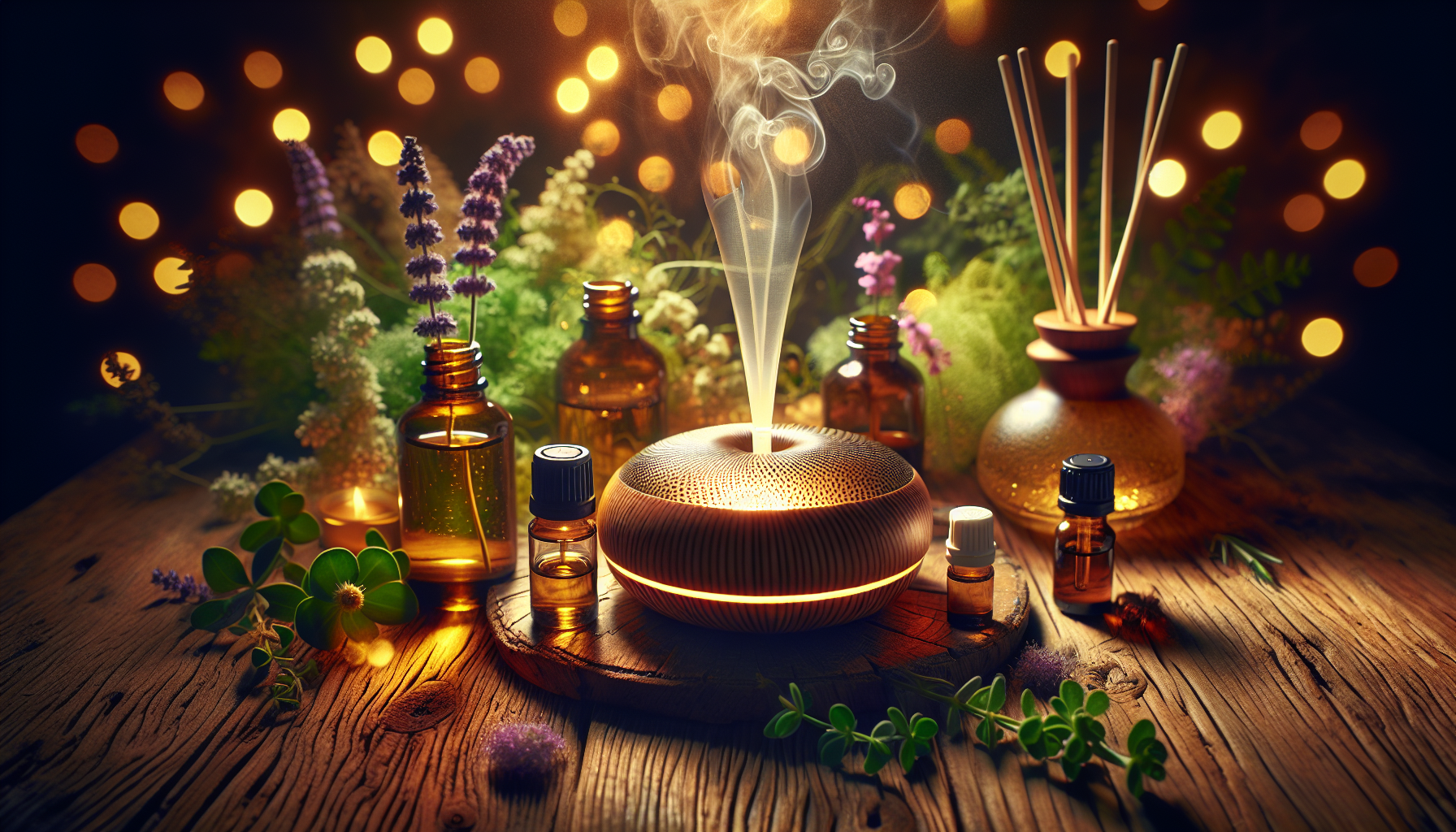
My favorite approach for meditation is adding 5-7 drops to a diffuser about 10 minutes before beginning practice. This creates what I call an “atmosphere of awareness” in the room. For yoga or movement-based mindfulness, I’ve found personal inhalers work wonderfully – small, portable tubes that let you take a calming breath whenever needed.
For an even simpler method, place a single drop of oil on a tissue or cotton ball and take five mindful breaths before beginning your practice. This works beautifully with lavender or bergamot when anxiety is running high, or peppermint when mental fog is the challenge.

Timing matters too. Research suggests that consistent, brief exposures (10-30 minutes) are more effective than continuous diffusion. I’ve found this prevents sensory adaptation while maximizing the benefits. One fascinating randomized trial with 108 participants showed combining essential oil inhalation with mindfulness meditation reduced anxiety by 20-47% – quite remarkable results!
For beginners, I suggest starting with a single oil rather than blends. This helps you learn which scents support your particular mindfulness challenges. Once you’re familiar with individual oils, try creating combinations – perhaps lavender and frankincense for evening meditation, or rosemary and bergamot for morning practice.
Conclusion: Scenting Your Way to Mindfulness
Essential oils aren’t just pleasant additions to mindfulness practice – they’re powerful tools that work with our neurophysiology to create optimal conditions for presence and awareness. They’ve transformed my personal practice from something I occasionally struggled through to a multisensory experience I genuinely look forward to each day.
Whether you’re looking to deepen an existing mindfulness practice or overcome obstacles like anxiety, distraction, or inconsistency, these aromatic allies can help bridge the gap between intention and experience. The research continues to expand, with recent bibliometric analyses confirming aromatherapy’s efficacy for anxiety and mental health.
What matters most is finding the oils and applications that resonate with your unique needs and mindfulness goals. Start simply, experiment mindfully, and notice how these ancient plant essences might transform your practice from the inside out. Your perfect aromatic mindfulness companion is just a few breaths away.