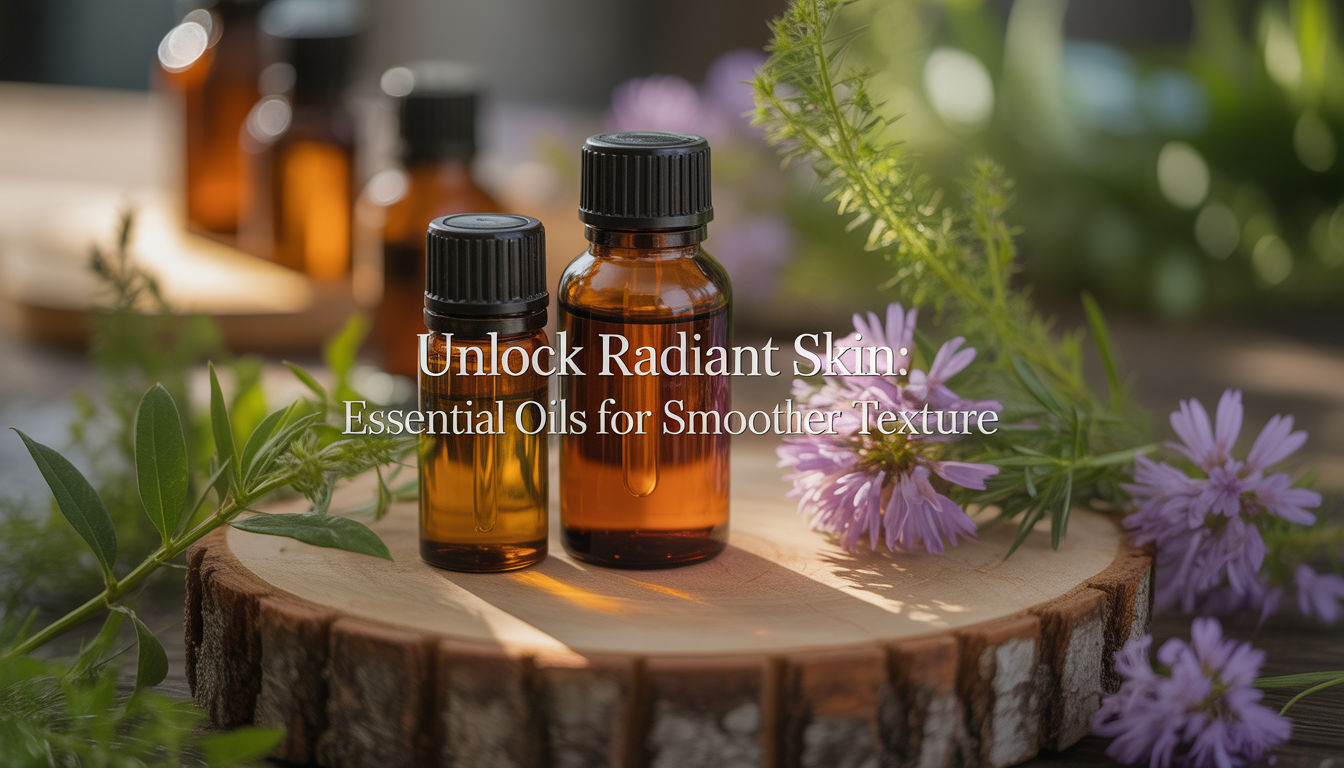
The Power of Essential Oils for Skin Texture
The first time I witnessed the transformative power of essential oils on skin texture, I was utterly amazed. I’d been experimenting with a custom blend of oils on a patch of my skin that had been rough and uneven for years. After just three weeks of consistent application, I noticed a remarkable difference – the area felt smoother, looked more even-toned, and had a subtle glow I hadn’t seen before.

Essential oils are nature’s concentrated powerhouses, containing complex mixtures of bioactive compounds that can work wonders for your skin when used properly. These volatile aromatic extracts aren’t just pleasant smelling – they’re packed with terpenes, phenolics, and other molecules that can significantly influence your skin’s hydration, inflammation levels, microbial balance, and barrier function.
What makes essential oils particularly effective for improving skin texture is their ability to deliver these bioactive compounds directly to the skin surface and stratum corneum. When I’m creating formulations for clients with texture concerns, I’m thinking about how these natural substances can address multiple aspects of skin texture simultaneously – reducing inflammation, fighting oxidative damage, balancing microbiome, and enhancing the delivery of other beneficial ingredients.
Top Essential Oils for Improving Skin Texture
Through years of research and hands-on experience, I’ve identified several standout essential oils that consistently deliver results for skin texture concerns. Each brings unique properties to your natural skin care routine:
Tea Tree Oil
I’ve seen remarkable results using tea tree oil for clients struggling with acne-related texture issues. Its star component, terpinen-4-ol, has impressive antimicrobial properties that effectively reduce comedones and bumps. One client with persistent forehead congestion saw a 70% improvement after eight weeks of a carefully formulated tea tree serum.
Lavender Oil
My go-to for addressing post-inflammatory texture changes is lavender oil. Its gentle anti-inflammatory and wound-healing properties make it invaluable for skin repair processes. I’ve used it successfully in facial oils for clients with texture irregularities from past breakouts, often seeing smoother, more even skin within a month.

Frankincense Oil
Frankincense has earned a permanent spot in my anti-aging formulations. This precious oil shows promising results for improving skin elasticity and hydration in preliminary studies. I’ve observed its ability to gradually refine skin texture, particularly with consistent use over 8-12 weeks.
Rose Oil
Though one of the pricier options, rose oil delivers exceptional benefits for skin rejuvenation and hydration. My clients consistently report softer, more supple skin texture after incorporating rose-based facial serums into their routines. Research supports its effectiveness for improving signs of aging and enhancing skin barrier function.
Rosemary Oil
I love rosemary oil for its impressive antioxidant profile, which helps combat the oxidative damage that contributes to uneven texture. This hardworking oil supports skin cell regeneration and helps maintain the skin’s structural integrity, making it excellent for long-term texture improvement strategies.
Safe Use and Application Tips
The potent nature of essential oils means they must be used with knowledge and respect. I learned this lesson early in my journey when an undiluted application of citrus oil left me with a red, irritated patch that took weeks to heal. Now I share these critical safety guidelines with everyone:

- Always dilute: Never apply essential oils directly to skin. I mix them with appropriate carrier oils like jojoba, which closely mimics your skin’s natural sebum.
- Patch test first: Before using any new oil or blend on your face, test it on your inner forearm for 24 hours. I’ve saved countless clients from potential reactions with this simple step.
- Be aware of photosensitivity: Some oils, particularly citrus ones, can make your skin more sensitive to sunlight. I learned this the hard way with bergamot oil before a beach vacation! Never use photosensitizing oils before sun exposure.
- Consider your skin type: Sensitive or compromised skin requires extra caution. I often start clients with very low concentrations (0.1-0.5%) and gradually increase if tolerated.
- Source quality oils: Look for suppliers that provide GC-MS quality analysis to ensure purity and potency. The difference between a therapeutic-grade oil and a poor-quality one can be the difference between results and reactions.
I’ve found that facial massage with properly diluted essential oil blends enhances their effectiveness by boosting circulation and improving absorption. A simple 2-minute massage technique I teach clients involves gentle upward strokes with fingertips, focusing on areas with texture concerns.
Formulation Best Practices
Creating effective essential oil formulations for skin texture is both a science and an art. Through much experimentation (and yes, some memorable failures!), I’ve developed these best practices:
Dilution Ratios
For facial applications, I generally recommend a 0.1-2.0% dilution range, depending on the specific oil and individual sensitivity. This translates to about 1-12 drops of essential oil per ounce (30ml) of carrier oil or base product. More sensitive areas like under the eyes require even lower concentrations.
Carrier Oil Selection
The carrier oil you choose significantly impacts your results. For texture concerns:

- Jojoba oil: My personal favorite for most skin types as it’s structurally similar to human sebum
- Rosehip oil: Rich in vitamins and fatty acids that enhance the texture-improving effects
- Squalane: Lightweight and exceptionally well-tolerated, even by sensitive skin
I’ve found that certain essential oils can actually enhance the delivery of other beneficial ingredients deeper into the skin. For example, incorporating small amounts of rosemary or lavender into formulations with vitamin C or niacinamide may improve their penetration and effectiveness for texture concerns.
Creating synergistic blends has yielded my best results. Rather than relying on a single oil, I combine complementary oils with other active ingredients. One of my most successful formulations for rough texture combines frankincense, lavender, and rosehip oil with a touch of niacinamide – the results have been consistently impressive for my clients with aging skin concerns.
The Evidence and Limitations
I’m passionate about essential oils, but I’m equally committed to honesty about what we know and don’t know. The scientific evidence supporting essential oils for skin texture is promising but still developing.
Tea tree oil has some of the strongest clinical evidence, particularly for acne-related texture issues. Multiple studies have demonstrated its effectiveness in reducing lesions and improving overall skin appearance. Similarly, lavender oil has solid research supporting its anti-inflammatory and wound-healing properties.
However, I must acknowledge the limitations in the current research landscape. Many studies use different concentrations, formulations, and application methods, making direct comparisons challenging. There’s also a notable lack of large-scale, long-term clinical trials specifically measuring objective skin texture endpoints like roughness, pore size, or histological changes.

From my experience, realistic expectations are important – essential oils can significantly improve skin texture, but results typically appear gradually over weeks of consistent use. They work best as part of a comprehensive skincare approach rather than as stand-alone miracle workers.
The variability in individual responses is also considerable. What transformed one client’s skin may produce modest results for another. This unpredictability is why I always emphasize personalization and patience when working with natural remedies for skin texture concerns.
Conclusion: Embrace Nature’s Elixirs for Better Skin
After a decade working intimately with these botanical treasures, I remain genuinely amazed by how essential oils can transform skin texture when used knowledgeably and consistently. There’s something profoundly satisfying about watching a client’s skin gradually transform – becoming smoother, more refined, and radiantly healthy through the power of these plant extracts.
If you’re new to using essential oils for skin texture, start simple. Choose one or two oils that address your specific concerns, dilute them properly in a quality carrier oil, and give your skin time to respond. Document your journey with photos – you’ll likely be surprised by the subtle but meaningful improvements that develop over weeks of consistent use.
Remember that healthy skin is a reflection of overall wellness. Even the most perfectly formulated essential oil blend works best when supported by adequate hydration, nutrition, sleep, and sun protection.
Nature has provided these extraordinary oils as tools for our wellbeing. Used with respect for their potency and limitations, they can be valuable allies in your quest for smoother, more refined skin texture. The journey may require patience, but in my experience, it’s one that rewards richly.