Introduction – The Aromatic Path to Serenity
The first time I witnessed the transformative power of essential oils, I was skeptical but desperate. My body was in full rebellion after months of intense work pressure—tension headaches had become my unwelcome companion, and peaceful sleep felt like a distant memory. A tiny bottle of lavender oil changed everything. Within days of incorporating it into my evening routine, those knots of anxiety began to unravel. That was the beginning of my love affair with nature’s aromatic treasures.
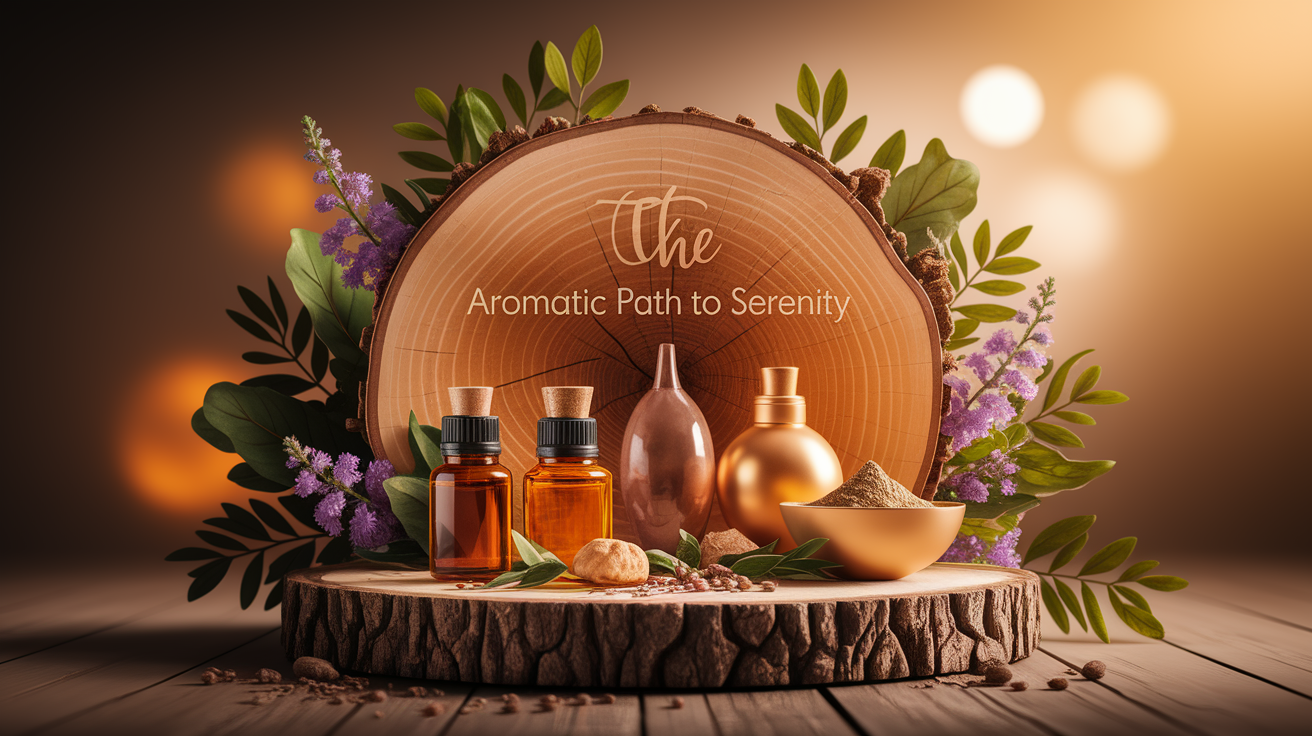
Essential oils are concentrated plant extracts that capture the essence of nature’s most powerful botanicals. These potent liquids aren’t just pleasant scents—they’re sophisticated compounds that interact with our bodies in remarkable ways. When I’m feeling overwhelmed, these plant allies become my invisible support system, helping to restore balance when life feels anything but balanced.
Proven Benefits of Essential Oils for Stress Reduction
What fascinates me most about essential oils is the science behind their stress-relieving properties. When we inhale these aromatic compounds, they trigger an immediate response in our brain’s limbic system—the emotional control center that influences everything from heart rate to hormone levels. This isn’t just folklore; it’s biology at work.
Research shows that essential oils can significantly reduce anxiety and stress markers like cortisol, heart rate, and blood pressure. I’ve seen meta-analyses demonstrating how aromatherapy reduces both state anxiety (the kind you feel in the moment) and trait anxiety (your general tendency toward anxiousness). The numbers are impressive—one comprehensive review found weighted mean differences of -6.63 for state anxiety and -4.97 for trait anxiety.
I’ve witnessed this firsthand in my practice. One client came to me after trying everything for her chronic workplace stress. Within three weeks of using a customized blend of oils, she reported sleeping through the night for the first time in months and feeling more centered during high-pressure meetings. The oils weren’t magic—they were working with her body’s natural stress response systems, influencing her autonomic nervous system to promote relaxation.
Popular Essential Oils for Stress Relief
Lavender: The Gold Standard
Lavender oil remains my go-to recommendation for stress relief beginners. I keep a bottle on my nightstand, and even after a decade working with hundreds of oils, it’s still my personal SOS remedy. Lavender’s anxiolytic effects have been extensively studied, showing improvements in blood pressure, heart rate, and sleep quality. I find it particularly effective during those racing-mind moments when sleep seems impossible.
Citrus Oils: Sunshine in a Bottle
The research on Citrus aurantium (bitter orange) has blown me away—studies identify it as perhaps the most effective essential oil for both immediate and long-term anxiety reduction. Bergamot and sweet orange oils also shine in this category. I call these my “mood lifters” and often diffuse them in my office around 3 PM when energy typically crashes. There’s something about their bright, uplifting scent that seems to cut through mental fog and tension like sunshine through clouds.
Earth and Herb: Grounding Oils
For deep, persistent stress, I’ve found tremendous success with oils like vetiver, sandalwood, and clary sage. These earthy scents work differently than the citruses—rather than lifting mood, they seem to ground scattered energy and promote a sense of being centered. I remember working with a client who had been experiencing adrenal fatigue. After incorporating sandalwood into her daily routine, she described it as “finally feeling like my feet are connected to the earth again.”
Synergistic Blends
Some of my most effective stress-relief formulas combine multiple oil families. A blend of lavender, bergamot, and ylang-ylang creates what I call my “tranquility trinity.” Research supports this approach—studies show that combinations of oils like lemon, tea tree, and peppermint can significantly reduce perceived stress levels and improve sleep quality in working adults.
Methods of Using Essential Oils for Stress Relief
Inhalation: The Direct Path
Diffusion remains the simplest and most effective method for stress relief. My favorite nighttime ritual involves adding 5-7 drops of lavender and frankincense to a bedroom diffuser about 30 minutes before sleep. The research backs this up—studies show that aromatherapy inhalation can improve post-stroke depression and enhance sleep quality after just a few weeks of regular use.
For on-the-go stress management, I never leave home without my aromatherapy pendant. Just a drop of oil on the clay disk provides hours of subtle aromatic support during stressful meetings or travel. I’ve had clients report that simply opening a bottle of peppermint or orange oil and taking three deep breaths has helped them through panic moments.
Topical Application: Targeted Relief
Creating stress-relief rollerball blends has become something of an art form in my practice. I combine stress-relieving essential oils with carrier oils like jojoba or sweet almond (always diluted properly—I typically use a 2% dilution, which means about 12 drops of essential oil per ounce of carrier oil). Applied to pulse points, the back of the neck, or the solar plexus area, these blends offer portable calm.
One of my most requested recipes combines 5 drops each of bergamot, clary sage, and lavender in a 10ml rollerball filled with carrier oil. When applied to wrists and temples, it’s like carrying a moment of peace in your pocket. The research supports topical application as well, particularly when combined with gentle massage.
Environmental Method: Setting the Space
I’ve found that transforming your environment can be as important as direct application. Spraying a room with a stress-relieving essential oil mist (water and a few drops of oil in a spray bottle) creates what I call a “sphere of serenity.” My studio apartment went from chaotic to calming when I started diffusing lemon and frankincense during work hours.
Safety Considerations and Complementary Use
My enthusiasm for essential oils comes with an equal measure of respect for their potency. These concentrated botanicals deserve proper handling. I always remind people that “natural” doesn’t automatically mean “risk-free.” Some important guidelines I follow:
- Always dilute oils for topical application (typically 1-3% dilution for adults)
- Conduct patch tests before widespread application
- Use extra caution with citrus oils before sun exposure (they can be photosensitizing)
- Consult healthcare providers if pregnant, nursing, or on medications
I’ve learned through experience that essential oils work best as part of an integrated approach to stress management. They complement, rather than replace, other healthy practices. Some of my clients get optimal results when combining aromatherapy with mindfulness meditation, adequate sleep, and proper nutrition.
While essential oils have low abuse potential and generally minimal side effects, I’m always transparent about their limitations. They’re wonderful tools for chronic stress management, but they’re not substitutes for medical care when needed. I’ve seen the best outcomes when people work with healthcare providers who understand the complementary role of aromatherapy.
Conclusion – Embrace Natural Calm
Essential oils have transformed not only my approach to stress management but also the lives of countless people I’ve worked with. From the overworked executive who now diffuses bergamot during high-pressure calls to the insomniac who finally sleeps soundly with lavender by her bed, these plant extracts offer accessible relief in an increasingly stressful world.
I encourage you to approach essential oils with both openness and discernment. Start with one or two oils that resonate with you, use them consistently, and notice how your body and mind respond. The journey to stress relief is deeply personal, but these aromatic allies can be powerful companions along the way.