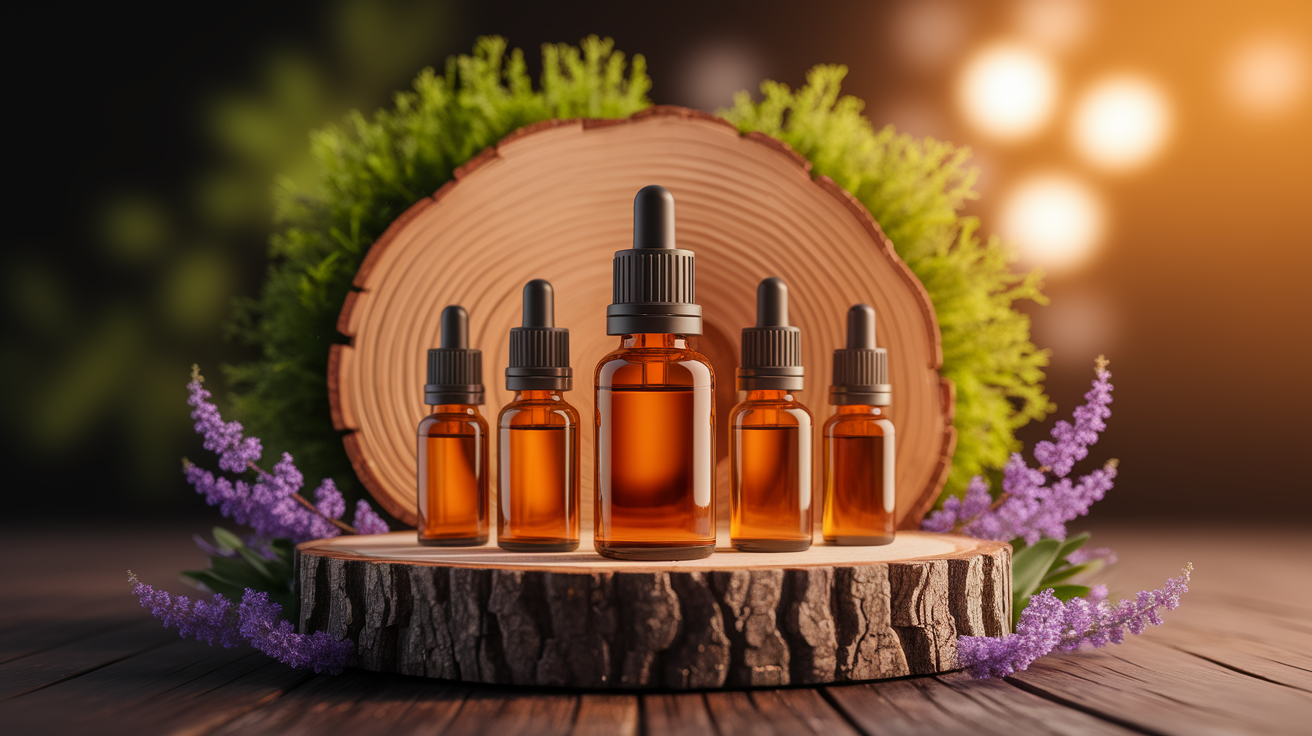
Understanding Essential Oils and Anxiety in Children
I still remember the night my neighbor knocked on my door, eyes red from worry, asking if I had anything natural to help her 7-year-old son who couldn’t sleep because of nighttime worries. That moment reinforced why I’m so passionate about essential oils – they offer gentle support for our little ones navigating big emotions.
When we talk about anxiety in children, we’re looking at everything from butterflies before a school presentation to more persistent worries that interfere with daily life. I’ve seen firsthand how the right essential oils can create a sense of safety and calm for children experiencing these challenges.
Essential oils are concentrated plant extracts that capture the plant’s scent and beneficial properties. When it comes to anxiety, they work primarily through our sense of smell, which connects directly to the brain’s emotional center. This fascinating process is why certain scents can actually lower physiological markers like salivary cortisol and pulse rate in anxious children.
Children today face unique pressures, from academic expectations to social media comparisons. Their developing nervous systems are still learning how to process stress, which is why gentle, natural support can be so valuable. I’ve watched oils become part of many families’ emotional wellness toolkits, offering children a sense of control and comfort during anxious moments.
Top Essential Oils for Reducing Anxiety
Not all essential oils are created equal when it comes to calming anxious children. Through both my personal experience and what research tells us, these stand out as the most effective:
Lavender: The Gentle Soother
Lavender remains my go-to recommendation for beginners. I once worked with a child who struggled with separation anxiety at school drop-offs. His mother started diffusing lavender during morning routines, and within weeks, those tearful goodbyes transformed into confident waves. Studies consistently show lavender can lower pulse rates in anxious children, particularly in stressful situations like dental visits.
Sweet Orange: The Cheerful Uplifter
There’s something about the bright, sunny scent of orange oil that just melts tension away. I keep it in my pocket for instant mood-lifting! Research has confirmed that orange essence aromatherapy significantly reduces anxiety in school-age children, including those with conditions like diabetes who face regular medical procedures.
Chamomile: The Gentle Sleep Supporter
Chamomile’s gentle nature makes it perfect for bedtime routines. I’ve recommended it countless times for children who struggle with racing thoughts at night. Similar to lavender, chamomile has been shown to decrease pulse rates in children experiencing anxiety, creating a pathway to peaceful sleep.
Frankincense: The Grounding Anchor
I’ve found frankincense particularly helpful for children who feel overwhelmed by sensory input or strong emotions. Its rich, earthy scent helps create a sense of security and presence. I often suggest this for older children who can participate in mindful breathing exercises.
Bergamot: Proceed with Caution
While bergamot is often recommended for anxiety, I’ve observed mixed results with children. In fact, some studies suggest it might actually increase anxiety in sensitive populations like children with autism. This illustrates why personalized approaches matter so much with essential oil use.
How to Use Essential Oils Safely
I learned my most important safety lesson years ago when a well-meaning parent applied undiluted peppermint oil to their toddler’s temples for headache relief, resulting in skin irritation. Children’s bodies process essential oils differently than adults, making proper use absolutely crucial.
Dilution is Non-Negotiable
When working with children, I always dilute essential oils more than I would for adults. The Children’s Hospital of Philadelphia provides excellent guidelines on safe dilution ratios. For children over age 6, I typically recommend no more than a 1% dilution (about 5-6 drops per ounce of carrier oil). For younger children, even less.
Effective Application Methods
Diffusion: This is my preferred method for children. A few drops in a diffuser can transform a bedroom or living space into a calming environment. I suggest diffusing for 30-minute intervals rather than continuously.
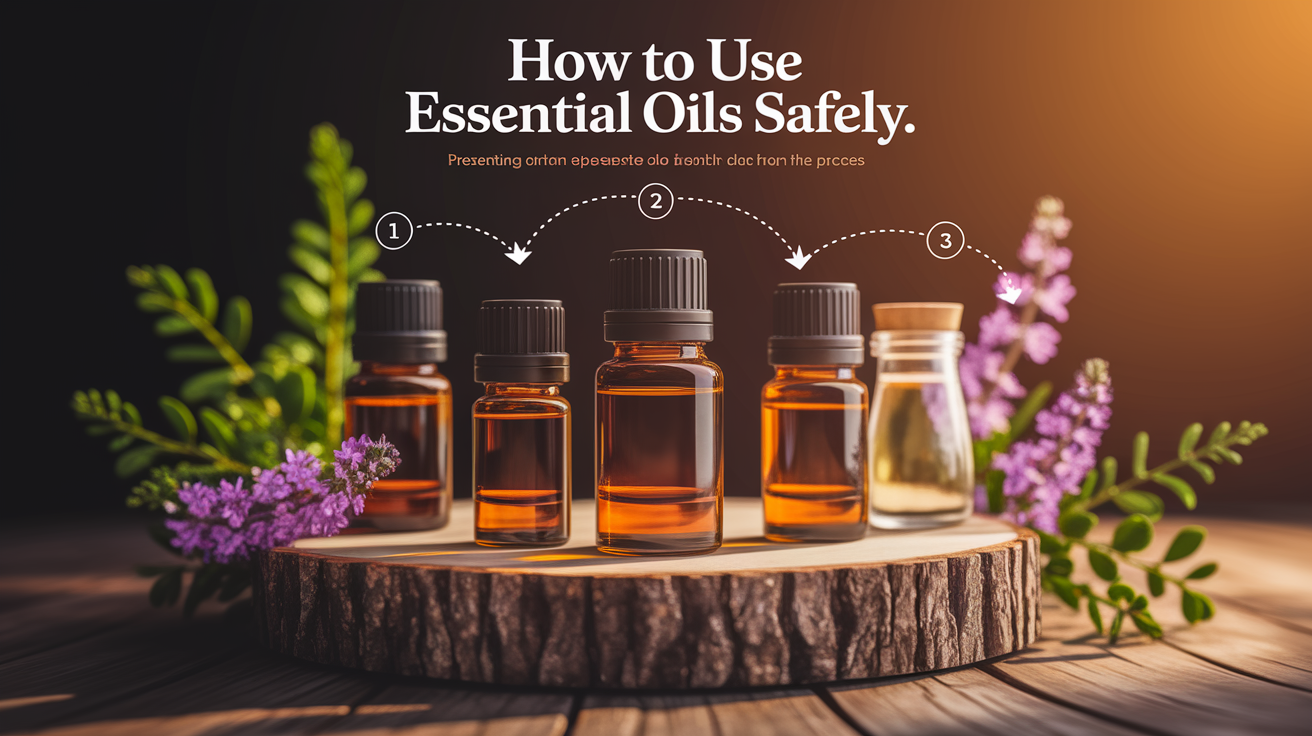
Personal Inhalers: For school anxiety, I love creating personal inhalers children can keep in their backpack. It gives them agency over their emotional regulation.
Topical Application: When properly diluted in a carrier oil like jojoba or coconut oil, certain essential oils can be applied to the bottoms of feet, back of neck, or wrists. Research supports that diluted inhalation and topical methods are generally safe when used appropriately.
Important Safety Precautions
- Always conduct a patch test before using a new oil
- Keep oils away from eyes, inner ears, and sensitive areas
- Store bottles out of children’s reach
- Avoid internal use completely with children
- Some oils (particularly citrus) can cause photosensitivity when applied topically
- Discuss with your child’s pediatrician before beginning any aromatherapy routine
I’ve found that nebulizers or diffusion methods typically offer the safest approach for most families, particularly those new to essential oils.
Evidence and Effectiveness
I’m passionate about combining traditional wisdom with scientific understanding. While I’ve seen remarkable results in my work with families, I always want to ground my recommendations in research.
The good news? An integrative review of 22 studies on children up to 12 years old identified anxiety as one of the most researched conditions that responds to essential oil therapy. In particular, lavender emerges as a standout due to its accessibility, affordability, and relative safety.
The evidence is especially strong for procedural anxiety. I once consulted with a pediatric dental office looking to make visits less stressful for their young patients. After implementing orange oil aromatherapy, they saw measurable decreases in anxiety scores and pain perception during procedures like local anesthesia administration.

When looking across multiple studies, meta-analyses rank citrus oils (particularly Citrus aurantium) highest for reducing both state anxiety (in-the-moment) and trait anxiety (ongoing tendency) in various populations.
I should note that research has limitations. Many studies have small sample sizes, and methodologies vary widely. Also, individual responses differ significantly based on factors like age, sensory sensitivities, and personal associations with scents. For example, if a child associates lavender with bedtime, it may not be as effective during daytime anxiety.
Conclusion: A Natural Path to Calm
Essential oils offer a gentle way to support children navigating the sometimes overwhelming world of emotions. I’ve seen the light in a child’s eyes when they discover they have tools to help manage their own anxiety – that sense of empowerment is perhaps as valuable as the calming effects themselves.
While essential oils aren’t a replacement for professional support when a child experiences significant anxiety, they can be wonderful complementary tools. I encourage starting simple – perhaps with lavender or sweet orange in a diffuser – and observing how your child responds.
Most importantly, remember that the ritual and connection that comes with using these natural remedies together often brings as much comfort as the oils themselves. Creating space to acknowledge emotions and take calming breaths together is powerful medicine indeed.