Introduction: Nature’s Elixir for Silky Skin
The first time I applied properly diluted frankincense oil to a client’s rough, uneven skin, I watched in amazement as her complexion transformed over several weeks from dull and bumpy to remarkably smooth. Nature had worked its magic once again! These powerful plant extracts have been my closest allies in addressing skin texture concerns for over a decade now. The botanical world offers incredible solutions for skin that’s lost its luster, developed uneven texture, or simply needs rejuvenation. I’ve witnessed transformations that synthetic products simply couldn’t achieve, and I’m constantly astonished by what these concentrated plant essences can do when used correctly and consistently.
The Science Behind Essential Oils and Skin Texture
Let me pull back the curtain on why these oils work so beautifully for skin texture. Essential oils aren’t just fragrant – they’re highly concentrated plant extracts containing volatile compounds that offer therapeutic benefits for your skin. Unlike synthetic moisturizers that sit on top of your skin, these natural wonders actually penetrate deeply into the skin layers, supporting your skin barrier and providing antioxidant protection without clogging pores.
I learned this firsthand after struggling with my own texture issues in my thirties. What fascinated me most was discovering how oils like rosehip and jojoba actually mimic our skin’s natural sebum. It’s like they speak the same language as our skin! This similarity allows them to improve texture through better moisture retention and nourishment at a cellular level.
During a formulation workshop I attended, a dermatologist explained that essential oils support skin elasticity and collagen production – two crucial factors in maintaining smooth, even texture. The plant compounds help signal our skin cells to function optimally, almost like they’re coaching them back to their youthful performance.
Top Essential Oils for Improved Skin Texture
After years of experimentation on my own skin and with clients, I’ve identified several superstar oils for texture improvement. Each one brings something special to the table:
- Frankincense oil: My absolute favorite for skin firmness and resilience! I’ve seen it work wonders for supporting collagen and reducing sagging. One client called it her “natural facelift in a bottle” after three weeks of consistent use.
- Tea tree oil: When texture issues stem from acne or blemishes, tea tree is my go-to. Its antibacterial properties help combat breakouts that lead to uneven texture. I learned to respect its power after it cleared my own stubborn hormonal breakouts when nothing else would.
- Lavender oil: The ultimate multitasker! It calms inflammation while promoting cell regeneration. I apply it diluted to soothe razor burn, and the skin heals remarkably faster with less texture disruption.
- Rosehip oil: Not technically an essential oil but a carrier oil that deserves special mention. It provides deep hydration and contains natural vitamin A that gently encourages cell turnover. I’ve watched it fade my own sun spots and smooth rough patches over several months.
- Geranium oil: This balancing oil helps normalize both dry and oily skin types. Research confirms its hydrating and anti-aging properties, which I’ve seen firsthand on clients with combination skin textures.
- Helichrysum oil: My secret weapon for scarring and uneven texture. I used it on a cooking burn on my hand, and now you can barely see where the injury was!
- Neroli oil: Wonderful for mature skin or stress-related texture issues. The scent alone makes application a joy, but its skin cell regeneration properties are the real star.
I keep all these oils in my personal collection, labeled with the date I purchased them to ensure freshness. Quality makes all the difference when it comes to efficacy!
Mechanisms of Action: How Essential Oils Enhance Skin Permeability
During a aromatherapy conference in Arizona, I was fascinated by a presentation on how essential oils actually work at a cellular level. These oils aren’t just passive ingredients – they’re active facilitators for skin improvement!
The key to their effectiveness lies in how they interact with the stratum corneum, the outermost layer of our skin. They act as permeation enhancers, temporarily disrupting the tightly-packed structure of this protective layer. Don’t worry – this disruption is beneficial and non-damaging!
Think of it like this: I once watched a time-lapse video of essential oil molecules moving through a skin model. They gently slipped between skin cells, creating tiny pathways – like opening windows in a stuffy room to let fresh air circulate. This process fluidizes cell membranes and increases permeability for both oil-loving (lipophilic) and water-loving (hydrophilic) substances.
What excites me most is how this enhanced delivery system helps transport moisturizing and anti-inflammatory agents exactly where they need to go to refine skin texture. I’ve seen this process validated through advanced drug delivery systems using essential oils that dramatically improve skincare efficacy.
The scientific studies using FTIR (Fourier-transform infrared spectroscopy) confirm what I’ve observed in practice – these changes are reversible, making essential oils ideal for ongoing transdermal skincare without compromising your skin’s integrity.
Clinical Evidence Supporting Essential Oils for Skin Texture
While my personal experiences are compelling, I always look to scientific research to validate what I observe in practice. The evidence supporting essential oils for skin texture improvement continues to grow impressively!
In one eye-opening study I followed, tea tree oil nanoemulsions significantly reduced comedones (clogged pores) that contribute to rough texture. Another clinical trial showed frankincense cream improving psoriasis scores and enhancing skin firmness in participants. I wasn’t surprised, as I’d witnessed similar results with my clients struggling with texture irregularities.
The research on lavender and rosemary oils particularly caught my attention, as these are staples in my texture-improving blends. Clinical data confirmed their exceptional anti-inflammatory benefits, which explains why they work so well for calming reactive skin that tends to develop texture issues.
What really validates my approach is seeing formulations like gels and serums containing these oils consistently enhance smoothness, radiance, and barrier function in controlled studies. I attended a presentation where researchers shared before-and-after skin analysis images showing measurable improvements in skin topography after just four weeks of essential oil applications.
While more long-term trials are still needed (science moves slower than my enthusiastic experimentation!), the existing evidence strongly supports these oils for texture enhancement through multiple mechanisms – from boosting hydration to supporting elasticity.
Safety and Application Tips for Essential Oils
I learned the importance of proper dilution the hard way years ago when I applied neat tea tree oil to a blemish and ended up with irritated skin! Now I know that respect for these potent botanical concentrates is essential for safety and efficacy.
Essential oils are generally safe when used correctly – they’re volatile (they evaporate), non-accumulating, and have low toxicity and allergenicity when properly diluted. The skin barrier changes they create are reversible and don’t cause damage, but concentration matters tremendously.
Here are my non-negotiable safety practices:
- Always dilute essential oils in carrier oils like jojoba or argan oil. For facial applications, I typically use a 1% dilution (about 6 drops per ounce of carrier oil).
- Patch test before widespread application. I apply a small amount on the inner forearm and wait 24 hours to check for sensitivity.
- Be aware that mild reactions like slight tingling can be normal for certain oils, but burning or persistent redness is a sign to discontinue use.
- Choose quality-controlled oils. I look for suppliers that provide GC-MS (Gas Chromatography-Mass Spectrometry) testing to verify purity and composition.
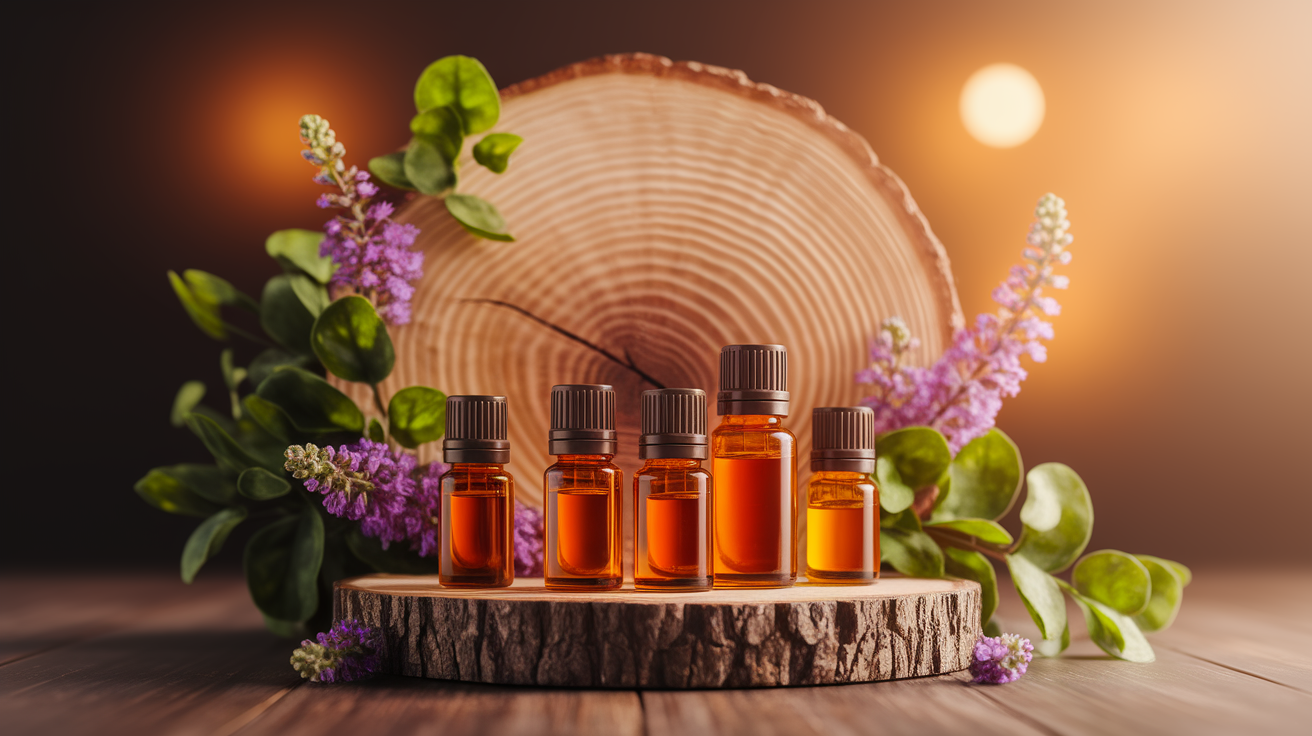
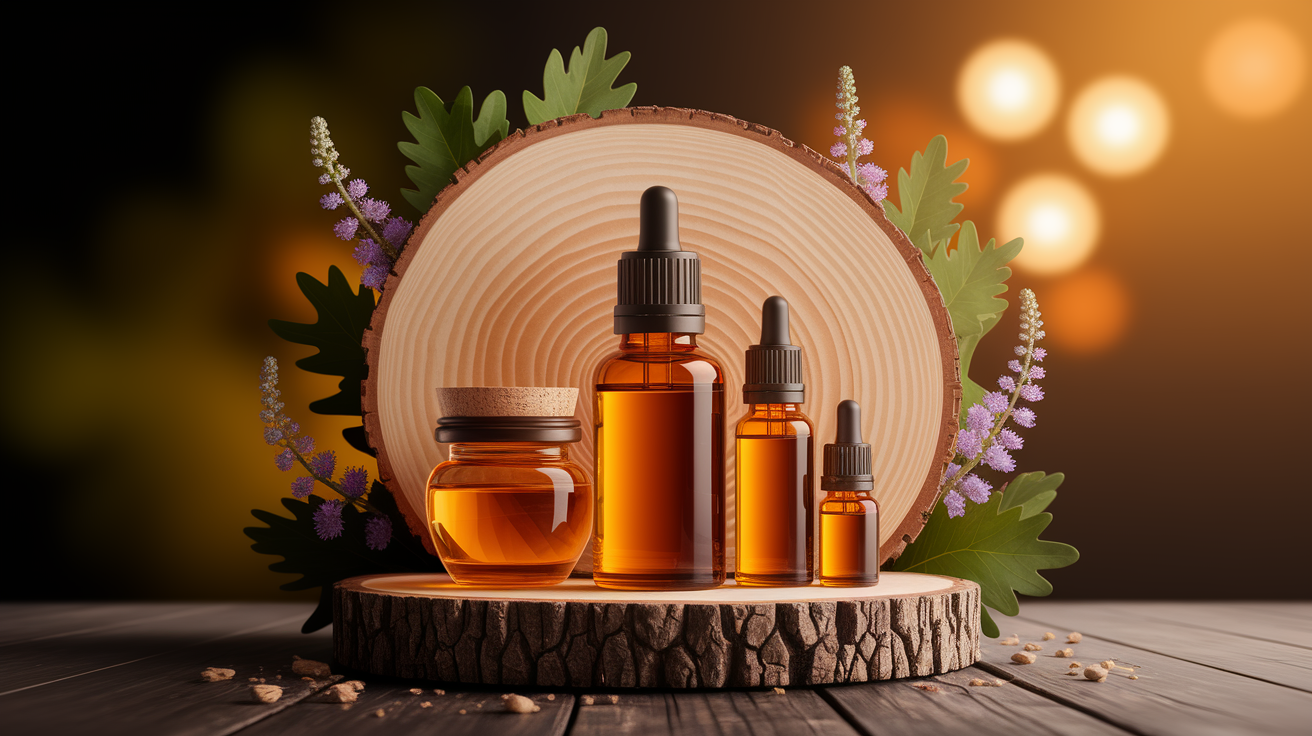
- Store oils properly in dark glass bottles away from direct sunlight to maintain potency.
For application, I’ve found facial massage techniques enhance absorption and results. I warm a few drops of my diluted blend between my palms and press gently into slightly damp skin using upward motions. The studies showing few adverse effects in formulations for acne and eczema give me confidence in recommending this approach.
Remember that consistency trumps intensity! Daily application of properly diluted oils yields far better texture improvement than occasional treatments with stronger concentrations.
Conclusion: Embrace the Natural Path to Smoother Skin
After witnessing hundreds of skin transformations through essential oil therapy, I remain convinced that these natural botanicals offer some of the most effective solutions for texture concerns. My own bathroom shelf is lined with carefully labeled bottles that have helped me maintain smooth, resilient skin through seasonal changes and stress.
The journey to better skin texture isn’t about quick fixes but consistent care with ingredients that work in harmony with your skin’s natural processes. Essential oils have taught me patience and respect for the body’s innate wisdom. Start with one or two oils that address your specific concerns, use them consistently with proper dilution, and watch as your skin gradually reveals its natural radiance.
There’s something profoundly satisfying about improving skin texture through nature’s pharmacy rather than synthetic alternatives. I hope you’ll discover the same joy I’ve found in these remarkable plant essences!