Introduction – Nature’s Remedy for Teen Skin Woes
When my teenage niece showed up at my door with tears streaming down her face because of yet another breakout before her school dance, I knew exactly what she needed. Essential oils have been my trusted allies for over a decade, and I’ve seen firsthand how these concentrated plant extracts can transform troubled teen skin when used properly. The right oils can help manage breakouts, soothe irritation, and restore confidence during those tumultuous adolescent years. The beauty of these natural solutions is that they work with the skin rather than against it—something particularly important for developing teenage skin.
Understanding Teen Skin Challenges
Teen skin is truly unique—a perfect storm of hormonal changes, increased oil production, and developing self-care habits. Up to 85% of adolescents experience acne, those familiar comedones, papules, and pustules that seem to appear at the worst possible moments. I’ve watched countless teens struggle not just with persistent breakouts but also with conditions like atopic dermatitis, which presents as patches of itchy, inflamed skin.

What many people don’t realize is that teen skin differs significantly from adult skin. The sebaceous glands are working overtime, producing excess sebum that can clog pores. Meanwhile, the skin barrier is still developing its full protective function. These physiological factors, combined with stress from school pressures and social dynamics, create the perfect environment for skin troubles to flourish.
Essential Oils for Acne Management
My go-to recommendation for teen acne has consistently been tea tree oil. There’s solid science behind this choice—clinical evidence shows that tea tree oil at a 5% concentration can significantly reduce acne lesions, working comparably to benzoyl peroxide but with fewer irritating side effects. I’ve seen incredible improvements in teens who properly incorporate diluted tea tree oil into their routines.
I remember working with a 16-year-old boy whose forehead was consistently covered with small bumps. After teaching him to properly dilute tea tree oil with jojoba oil (which mimics the skin’s natural sebum), his skin cleared dramatically within three weeks. The antibacterial properties targeted the P. acnes bacteria while the anti-inflammatory effects reduced redness and swelling.
Beyond tea tree oil, I’ve had wonderful success with lavender oil for teen acne. Not only does it help regulate sebum production, but it also calms inflammation and reduces the anxiety that can trigger hormonal breakouts. For teens with particularly sensitive skin, I often recommend geranium oil, which helps balance oil production without causing irritation.
Creating an Anti-Acne Blend
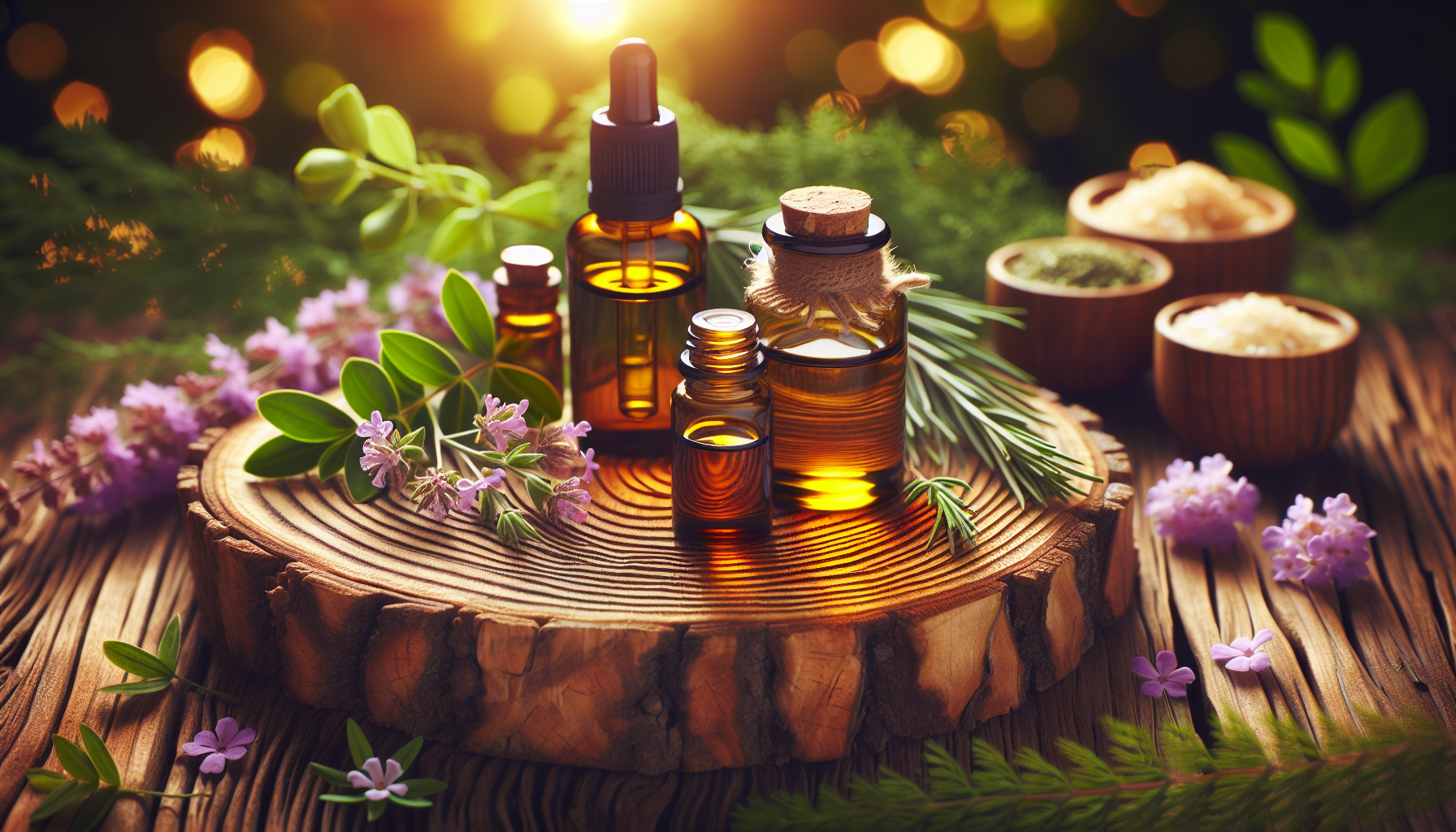
One of my most effective blends for teen acne combines:
- 2 drops tea tree oil
- 2 drops lavender oil
- 1 drop frankincense oil
- 2 tablespoons jojoba oil as carrier
This gentle yet powerful combination addresses multiple factors contributing to breakouts, from bacterial overgrowth to inflammation and excess oil production.
Soothing Atopic Dermatitis and Psoriasis
For teens battling the discomfort of atopic dermatitis, essential oils can offer significant relief when used appropriately. I’ve worked with many teenagers whose skin becomes dry, itchy, and inflamed during flare-ups. Evening primrose oil has been particularly effective for these conditions, as its essential fatty acids help improve the skin’s barrier function.

Last year, I helped a 14-year-old girl with persistent patches of dermatitis on her inner elbows. We created a gentle blend using chamomile oil, which research indicates can improve skin hydration and reduce inflammation. Within two weeks of consistent application, her skin was noticeably calmer, and the intense itching had subsided.
For psoriasis, which can be especially distressing for image-conscious teens, I’ve found that certain oils can complement conventional treatments. Ocimum gratissimum extracts have shown promise in research for reducing inflammation associated with psoriasis. I always dilute these potent oils thoroughly and suggest using them as part of a comprehensive approach that includes working with a dermatologist.
Safety Considerations for Teen Skin
I cannot stress this enough: teenage skin requires extra caution when using essential oils. Their skin is still developing and can be more reactive than adult skin. Always dilute oils properly—I recommend a 1-2% dilution for teens, which means about 3-6 drops of essential oil per ounce of carrier oil.
Some concerns have been raised about certain oils like tea tree and lavender having potential endocrine effects. However, a cross-sectional study found no increased risk in children aged 2-15 compared to those unexposed. Still, I advise moderation and proper dilution to minimize any potential risks.
Teen skin is also more prone to sensitization from fragrances and concentrated plant compounds. A patch test is absolutely non-negotiable before applying any new oil blend. I’ve seen too many cases where skipping this step led to irritation or allergic reactions that could have been avoided.
The FDA provides guidance on the safety of essential oils in cosmetics, and I always recommend parents and teens review this information. Remember that natural doesn’t automatically mean safe for everyone—respect the potency of these plant extracts!
Integrating Essential Oils into Skincare Routines
The most effective way I’ve found to use essential oils for teen skin is through simple, consistent routines. For acne-prone skin, I recommend tea tree oil gels at 5-10% concentration, as studies show they provide sustained release with minimal irritation.
A basic routine might include:
- Gentle cleansing with a non-stripping face wash
- Applying a properly diluted essential oil blend or product containing essential oils
- Following with a lightweight, non-comedogenic moisturizer
- Always using sun protection during the day
I’ve found that carrier oils matter tremendously when working with teen skin. Jojoba oil remains my favorite for acne-prone teens as it’s lightweight and similar to our skin’s natural oils. For drier skin conditions, argan oil rich in linoleic acid can be beneficial, as research shows it helps with inflammatory skin conditions.
One important tip I share with all my teen clients: consistency trumps complexity. A simple routine with a few well-chosen, quality oils will outperform a complicated regimen with numerous products every time.
Best Practices for Application
When helping teens incorporate essential oils into their skincare, I emphasize these key practices:
- Never apply undiluted oils directly to facial skin
- Use oils as spot treatments rather than all-over applications for acne
- Apply in the evening when possible (some oils can increase sun sensitivity)
- Discontinue use immediately if irritation occurs
- Take progress photos to objectively track results
Conclusion – Embracing a Balanced Approach
After years of working with teen skin issues, I’ve learned that essential oils can be wonderful allies when used correctly, but they’re rarely a complete solution on their own. The American Academy of Dermatology emphasizes that essential oils work best as complementary approaches rather than standalone treatments for significant skin conditions.
I encourage teens to work with qualified health professionals, especially for severe acne or persistent dermatitis. Essential oils can support this journey, offering natural antimicrobial and anti-inflammatory benefits while empowering teens to participate actively in their skin health. When used with knowledge, respect, and proper dilution, these botanical treasures can help teens navigate the often turbulent waters of adolescent skin concerns—restoring not just their skin’s balance, but often their confidence as well.