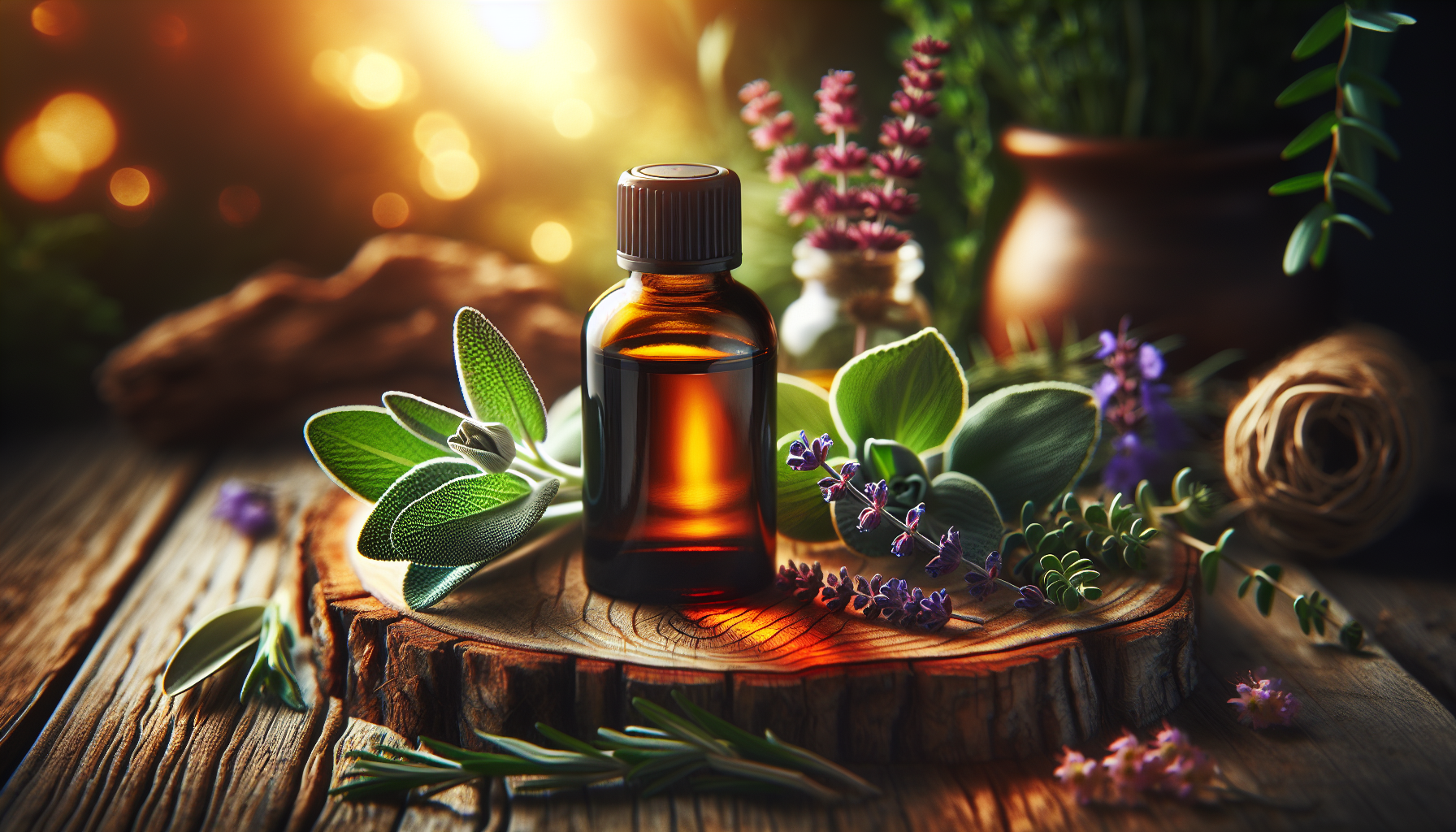
Unlocking Nature’s Potential
The first time I witnessed the remarkable effects of essential oils on immune health was during a particularly challenging winter season. My family seemed to be passing around the same cold for weeks, but I remained surprisingly resilient after beginning a regimen with several key oils. That experience sparked a decade-long journey exploring these concentrated plant extracts and their fascinating relationship with our body’s defense system.
What makes essential oils so unique is their complex chemical compositions—each oil contains hundreds of different compounds that work synergistically. These powerful botanical extracts don’t just mask symptoms; they interact with our bodies on a cellular level. Through my work with countless clients, I’ve observed how these natural treasures can support our built-in protection systems when used mindfully and consistently.
While essential oils aren’t magic bullets, their immunomodulatory activities offer a complementary approach to wellness. They don’t replace good nutrition, adequate sleep, or proper hygiene—but they can certainly play a supporting role in your holistic health practice. The real power comes when you understand which oils to reach for and how they actually work with your body.
Key Essential Oils for Immune Support
After years of research and personal experimentation, I’ve found certain oils consistently stand out for immune support. My emergency kit always includes:
Eucalyptus Oil
This refreshing oil contains high levels of 1,8-cineole, which studies show can enhance the activity of immune cells responsible for engulfing harmful pathogens. When diffused during winter months, eucalyptus creates an environment that supports respiratory health. I’ve noticed it makes breathing easier almost immediately, especially when seasonal threats are at their peak. Research indicates it stimulates immune cell activity and reduces inflammatory markers.
Tea Tree Oil
This Australian powerhouse has earned its reputation through impressive antimicrobial properties. It’s my go-to for surface cleaning and skin applications (properly diluted, of course). Studies show tea tree oil inhibits certain pro-inflammatory cytokines, helping balance immune responses rather than simply stimulating them.
Cinnamon Oil
The warming oil of cinnamon contains cinnamaldehyde, which offers both antioxidant and immunostimulant properties. I use it in extremely small amounts (it’s potent!) in seasonal diffuser blends. Scientific research reveals it alters bacterial membranes and provides anti-inflammatory benefits.

Lemon Oil
This bright citrus oil does more than freshen spaces—it stimulates immunoglobulin A production, an antibody that plays a crucial role in mucosal immunity. I add a drop to my water glass (using a food-grade version) or diffuse it to cleanse the air. The d-limonene content provides excellent antioxidant properties.
Oregano Oil
Perhaps the most potent antimicrobial in my collection, oregano oil requires careful dilution but offers powerful support. During vulnerable seasons, I create a diluted roller blend for application to the bottoms of my feet, where the oil can be absorbed without skin sensitivity.
Clove Oil
This spicy oil reduces inflammation in macrophages, a type of white blood cell. Studies from 2021 showed it lowered both inflammation and bacterial levels in research models. I add a single drop to immune-supporting blends for its synergistic effects.
Lavender Oil
While often celebrated for relaxation, lavender’s anti-inflammatory properties support immune function through stress reduction—something I’ve witnessed repeatedly with clients. Chronic stress depletes immune resources, making lavender’s calming effect an indirect but important immune supporter.
How Essential Oils Work
The magic of these oils isn’t really magic at all—it’s biochemistry. After witnessing their effects firsthand and diving into the research, I’ve come to understand several key mechanisms:
Enhanced Phagocytosis
Certain oils like eucalyptus increase phagocytosis—essentially helping immune cells become better at “eating” pathogens. Think of it as training your internal security guards to be more efficient. Research shows this enhancement of natural immune functions without overstimulating the system.
Cytokine Modulation
Rather than simply “boosting” immunity (which isn’t always beneficial), quality essential oils help modulate the immune response. They can suppress excessive production of pro-inflammatory compounds like TNF-α, IL-1β, and IL-8 when needed, helping to orchestrate a more balanced response.

Direct Antimicrobial Effects
Many oils disrupt bacterial membranes and biofilms, with research showing effectiveness against challenging microbes like Staphylococcus aureus and Pseudomonas aeruginosa. This action helps reduce the microbial load your immune system needs to handle.
Stress Reduction
The connection between stress and immunity is profound. Oils like lavender indirectly support immune function by balancing stress hormone excretion. I noticed this effect dramatically during a particularly stressful project when daily diffusion of calming oils helped me maintain wellness despite minimal sleep.
These mechanisms work through various application methods—inhalation affects the limbic system directly, while topical application (with proper dilution in carrier oil) allows compounds to be absorbed through the skin. Studies show the terpenoid compounds in oils like lemon provide antioxidant effects that help reduce oxidative stress on the body.
Scientific Insights and Limitations
While my experience with essential oils has been transformative, I believe in balancing enthusiasm with scientific understanding. The current research landscape shows promising effects but has important limitations:
Most evidence for immune effects comes from laboratory (in vitro) and animal studies. Human clinical trials specifically confirming immune enhancement are still limited. When studies show eucalyptus oil enhancing phagocytosis or tea tree oil modifying cytokine production, these are often observations in cell cultures or small-scale studies.
The effects of essential oils are notably dose-dependent—a fascinating aspect I’ve observed repeatedly. Low to moderate doses tend to stimulate beneficial immune responses, while excessive amounts can sometimes inhibit these same processes. This “goldilocks zone” requires mindful application.

Another crucial understanding: these oils should complement, not replace, conventional medical approaches. Recent reviews note that while essential oils show immunomodulatory properties, they haven’t been confirmed to prevent specific diseases directly.
The scientific community’s understanding is evolving. What I find most exciting is seeing traditional practices increasingly validated through modern research methods, even as we acknowledge the need for more comprehensive human studies.
Integrating Essential Oils into Your Routine
After working with these oils for years, I’ve developed practical approaches for incorporating them effectively:
Diffusion for Respiratory Support
My favorite immune-supporting diffuser blend combines 3 drops eucalyptus, 2 drops tea tree, and 1 drop lemon oil. This creates a protective atmosphere, especially beneficial during seasonal challenges. I run my diffuser in 30-minute intervals rather than continuously for optimal effect.
Topical Immune Blends
For a simple yet effective immune-supporting roller blend, I combine 5 drops tea tree, 4 drops lavender, and 1 drop oregano oil in 10ml of carrier oil (I prefer fractionated coconut oil for its neutral scent). This creates a balanced formula that can be applied to the bottoms of feet or along the spine.

Inhalation for Quick Support
When I feel that first tickle in my throat, I place a drop of eucalyptus oil in my palms, rub them together, cup over my nose, and take 5-10 deep breaths. The direct inhalation provides immediate respiratory support when I need it most.
Safety First Approach
Always remember: potency requires respect. I never apply undiluted oils directly to skin, and I’m particularly cautious with children, pregnant women, and those with compromised immune systems. When introducing a new oil, I always perform a patch test first and consult with healthcare providers for those with medical conditions.
Consistency is key for immune support—incorporating these oils into daily routines rather than just reaching for them during times of need. I keep a simple diffuser blend by my bedside and another at my desk to make integration effortless.
Conclusion: Embracing Natural Support
Essential oils offer remarkable complementary support for immune function through their antimicrobial, anti-inflammatory, and antioxidant properties. While they don’t replace fundamental health practices like proper nutrition and adequate sleep, they provide valuable tools for maintaining wellness.
The relationship between essential oils and immunity isn’t about blindly “boosting” immune function but rather supporting its natural balance. Through careful selection, proper application, and consistent use, these botanical allies can become valued partners in your wellness journey.
What I appreciate most about essential oils after all these years is their versatility—they simultaneously support physical systems while enhancing emotional wellbeing, creating a holistic approach to health that addresses the crucial mind-body connection in immunity. Whether diffused, applied topically in proper dilution, or used in personalized blends, these concentrated plant medicines continue to amaze me with their gentle yet profound effects.