Introduction – The Scent of Cognitive Clarity
The first time I witnessed the profound impact of essential oils on cognitive function, I was sitting with a client who struggled with mental focus. After diffusing a carefully crafted blend of rosemary and peppermint oils for just 15 minutes, I watched her eyes brighten as she remarked, “My mind feels like someone just wiped a foggy window clear.” That moment crystallized what I’d been experiencing in my practice for years – the remarkable power of aromatherapy to support and enhance cognitive function.
What fascinates me most about using aromatherapy for cognitive support is how something as seemingly simple as inhaling a natural scent can create such profound changes in mental clarity, memory, and focus. After dedicating myself to studying and applying these natural remedies for over a decade, I’ve seen firsthand how the right essential oil at the right time can make the difference between mental fog and crystal-clear thinking.
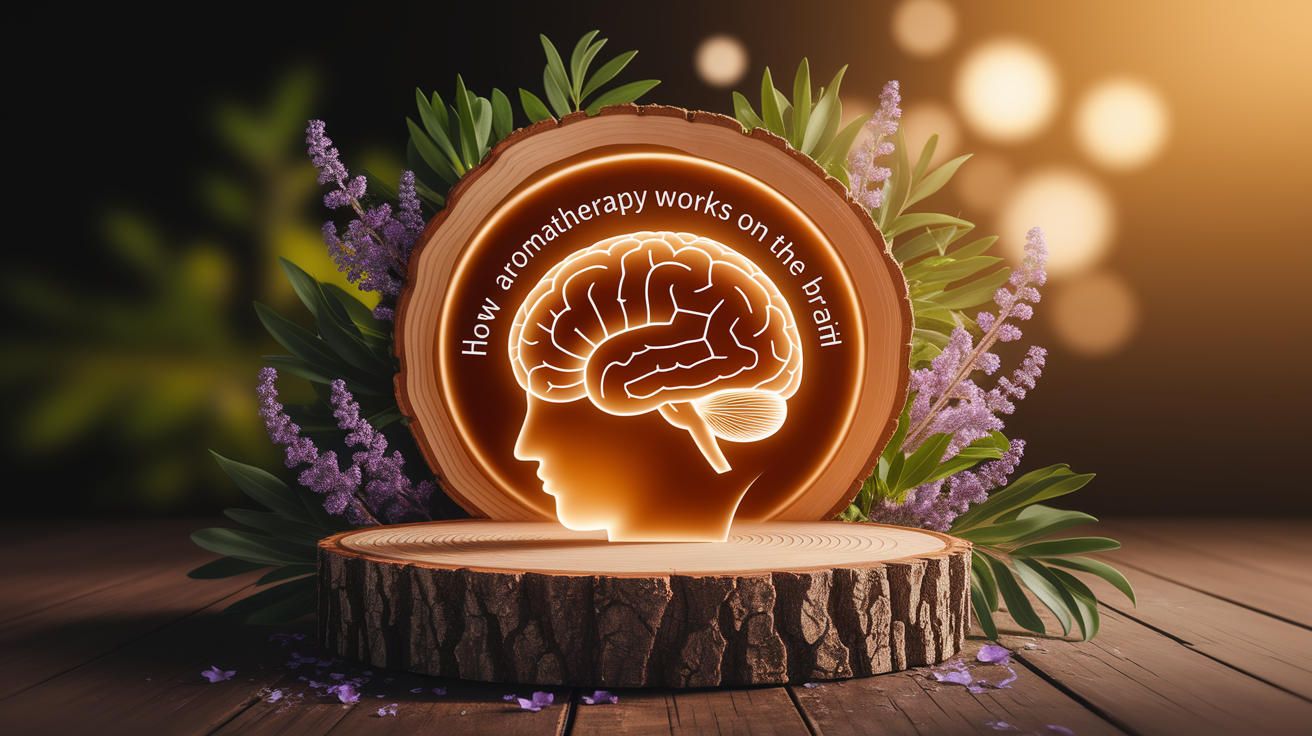
How Aromatherapy Works on the Brain
The magic of aromatherapy lies in its direct pathway to our brain. When I explain this to newcomers, I often describe it as the “express train” to cognitive function. When you inhale essential oil molecules, they travel directly to your olfactory system – bypassing the usual bodily checkpoints that other substances must pass through.
These aromatic compounds then stimulate the olfactory receptors, which have a direct line to the limbic system – our emotional brain center that also influences memory, attention, and cognitive processing. This region houses the amygdala and hippocampus, crucial structures for emotion processing and memory formation.
The effects work through several fascinating mechanisms:
- Pharmacological effects: Certain compounds in essential oils, like 1,8-cineole found in rosemary, can cross the blood-brain barrier and directly influence neurotransmitter activity.
- Psychological effects: The hedonic response to pleasant aromas can reduce stress levels, which indirectly improves cognitive performance by clearing mental bandwidth.
- Neurological stimulation: Regular exposure to varied scents appears to create what scientists call “olfactory enrichment,” potentially promoting neurogenesis – the creation of new brain cells.
I’ve observed that this combination of effects can produce remarkable results, particularly when essential oils are used consistently and strategically for cognitive enhancement.
Evidence from Recent Studies
While I’ve seen the cognitive benefits of aromatherapy in my practice for years, the scientific community is now catching up with compelling research that validates these observations.
The most eye-opening study I’ve encountered recently comes from UC Irvine, where researchers conducted a groundbreaking randomized controlled trial. Adults aged 60-85 used diffusers with full-strength essential oils (including rose, orange, eucalyptus, lemon, peppermint, rosemary, and lavender) nightly for six months. The results left even the scientists stunned – participants showed a remarkable 226% improvement in cognitive performance on memory tests compared to the control group!
Brain imaging revealed something equally fascinating – enhanced integrity in memory-related neural pathways, particularly the uncinate fasciculus, which connects brain regions crucial for memory formation. As I read through the detailed findings, I couldn’t help but feel validated in what I’ve been telling my clients for years.

Another study I frequently reference examined lavender’s specific effects on working memory after stress exposure. Participants demonstrated a 15% improvement in memory performance after lavender aroma exposure compared to control conditions. The researchers attributed this to lavender’s ability to modulate the stress response, allowing for better cognitive function.
What excites me most about these studies is that they’re moving beyond the “it works because it smells nice” explanation and revealing the actual neurobiological mechanisms at play. The evidence suggests that olfactory enrichment through aromatherapy isn’t just a temporary mood booster – it’s creating lasting changes in brain structure and function.
Essential Oils for Cognitive Support
Through years of experimentation and studying research, I’ve identified several standout essential oils for cognitive enhancement. These aren’t just pleasant smells – they’re powerful tools for brain health:
Rosemary: The Memory Enhancer
Rosemary has been my go-to recommendation for students and professionals needing mental clarity and memory support. Its secret weapon? A compound called 1,8-cineole, which research shows can improve speed and accuracy in memory tasks. I once diffused rosemary during a workshop, and three participants independently commented that they felt “sharper” and could recall the material better during our review session.
Lavender: The Cognitive Stress-Reliever
While most people associate lavender with relaxation, few realize its powerful effects on working memory, particularly when we’re under stress. Studies show that lavender can enhance working memory performance by about 15% post-stress. I’ve found it particularly helpful for clients who experience “brain fog” during anxiety-producing situations.
Peppermint: The Focus Amplifier
When I need an immediate boost in alertness and attention, peppermint is my reliable ally. Its stimulating properties can cut through mental fatigue within minutes. During long work sessions, I keep peppermint oil handy for periodic inhalation breaks that restore mental clarity.
Multi-Oil Blends: The Synergy Effect
The most exciting research involves rotation among multiple oils. The seven-oil protocol from the UC Irvine study (rose, orange, eucalyptus, lemon, peppermint, rosemary, and lavender) showed that varying scents nightly created more significant cognitive improvements than using the same scent repeatedly. This aligns with my experience that the brain responds most robustly to novelty in aromatherapy.
Practical Aromatherapy Protocols
After years of helping clients implement aromatherapy for cognitive support, I’ve developed several effective protocols that align with recent research findings.
Nightly Diffuser Protocol
Based on the groundbreaking UC Irvine study, I’ve helped many clients implement a nightly diffuser routine with remarkable results:
- Use a high-quality diffuser in your bedroom
- Run it for 2 hours during sleep (ideally the first two hours after falling asleep)
- Rotate between 7 different full-strength essential oils throughout the week
- Monday: Rose
- Tuesday: Orange
- Wednesday: Eucalyptus
- Thursday: Lemon
- Friday: Peppermint
- Saturday: Rosemary
- Sunday: Lavender
The beauty of this approach is its simplicity – it requires minimal effort yet delivers significant benefits. Many of my clients report improved sleep quality alongside enhanced memory and mental clarity after just a few weeks.
Daytime Focus Blend
For immediate cognitive support during working hours, I recommend this protocol:
- Create a blend of rosemary and peppermint oils (3:1 ratio)
- Use a personal inhaler or place 2-3 drops on a tissue
- Take 4-5 deep inhalations when you need mental clarity
- Repeat every 2-3 hours as needed
I’ve found this approach particularly effective for sustained attention during challenging tasks. The cognitive benefits typically begin within minutes and can last for 30-60 minutes after each application.
Memory Support Protocol
When working with older adults concerned about memory retention, I often suggest:
- Diffuse rosemary oil for 30 minutes each morning
- Apply a diluted rosemary oil (2% dilution in jojoba oil) to wrists
- Implement the nightly rotation protocol described above
This comprehensive approach provides both immediate cognitive support and the long-term benefits of olfactory enrichment during sleep.
Challenges and Future Directions
While I’ve seen remarkable results with aromatherapy for cognitive enhancement, I believe in transparent discussion of the current limitations and challenges in this field.
Despite promising findings like the UC Irvine study, some scientists remain skeptical due to the small sample sizes in many aromatherapy studies. I’ve read critical evaluations pointing out that the UC Irvine trial, despite its impressive 226% improvement finding, had a relatively small participant group. More large-scale studies are needed to fully convince the medical community.
Another challenge I’ve observed is the high variability in individual responses. Factors like past scent associations, genetic differences in olfactory receptors, and even cultural backgrounds can influence how someone responds to specific essential oils. What works wonderfully for one client might prove ineffective for another.
The quality and standardization of essential oils presents another obstacle. I’m constantly emphasizing to clients the importance of sourcing high-quality, therapeutic-grade oils, as diluted or synthetic alternatives simply won’t produce the same cognitive benefits.
Looking to the future, I’m excited about several emerging research directions:
- Studies specifically targeting those with diagnosed cognitive impairment
- Research on behavioral and psychological symptoms in dementia
- Investigation into optimal diffusion methods and concentration levels
- Development of personalized aromatherapy protocols based on cognitive assessment
As more research emerges, I believe we’ll see aromatherapy move from alternative practice to mainstream cognitive support strategy, particularly for aging populations concerned about maintaining mental sharpness.
Conclusion – Breathing New Life into Cognitive Health
After a decade of working with essential oils for cognitive enhancement, I remain as fascinated by their potential today as I was when I first discovered their effects. The emerging research validates what many aromatherapy practitioners have observed for years – that these plant-derived compounds can have meaningful impacts on how our brains function.
What I find most promising is the accessibility of this approach. Unlike many cognitive interventions that require expensive equipment, professional administration, or pharmaceutical compounds with potential side effects, aromatherapy offers a natural, non-invasive option that people can easily implement at home.
Whether you’re a student looking to enhance learning, a professional seeking better focus, or someone concerned about maintaining cognitive function with age, essential oils offer valuable support for your mental clarity goals. By understanding the mechanisms, following evidence-based protocols, and selecting quality oils, you can harness the cognitive benefits of aromatherapy in your daily life.
The science of scent and cognition is still unfolding, but the direction is clear – what we breathe affects how we think, remember, and focus. And that’s something worth taking a deep breath to consider.