Introduction – Nature’s Remedy for Joint Relief
The first time I witnessed the power of essential oils on joint pain was when my mother-in-law could barely walk up the stairs due to her arthritis. After just two weeks of applying a frankincense and ginger oil blend I’d made for her, she called me in tears—happy tears. She’d just climbed those same stairs without wincing. That moment solidified my belief in these natural treasures.
I’ve discovered over the years that nature provides some of the most effective remedies for our bodies, especially when it comes to joint discomfort. The concentrated plant compounds in essential oils work with our bodies in remarkable ways that sometimes seem almost magical—but there’s real science behind them!
Understanding Essential Oils and Their Benefits
Essential oils are highly concentrated plant extracts that capture the plant’s scent, flavor, and beneficial properties. These potent oils are extracted through careful steam distillation or cold pressing, preserving the powerful compounds that make each oil unique.
When it comes to joint health, specific essential oils shine because of their anti-inflammatory and analgesic effects. The bioactive compounds—like linalool, eugenol, and limonene—interact with our bodies to help reduce inflammation and manage pain perception.
I’ve found that most people notice three main benefits when using essential oils for joint issues:
- Reduced inflammation around the joint
- Decreased pain sensation
- Improved mobility and flexibility
What fascinates me most is how these natural remedies can provide relief without the side effects often associated with conventional medications. That’s not to say they should replace prescribed treatments—I always recommend using essential oils as complementary support alongside professional medical care.
Top Essential Oils for Joint Health
After working with hundreds of clients with various joint issues, I’ve identified several oils that consistently deliver impressive results. Here are my top recommendations:
Frankincense Oil
I call this the “king of oils” for joint health. Studies have shown it can significantly reduce pain severity and inflammation in osteoarthritis. The resinous compounds help regulate the inflammatory response in the body. I’ve seen remarkable improvements in clients with knee pain who use frankincense regularly.
Eucalyptus Oil
The cooling sensation of eucalyptus provides immediate comfort, but its benefits go beyond that initial feeling. Research indicates that eucalyptus contains powerful anti-inflammatory compounds that penetrate deeply into the joint tissue. It’s especially effective when used in topical creams or aromatherapy for joint pain relief.

Ginger Oil
Don’t underestimate this kitchen spice’s oil form! Ginger has been demonstrated to improve pain and stiffness in knee osteoarthritis and rheumatoid arthritis. I’ve created warming massage blends with ginger that clients swear by for morning joint stiffness.
Lavender Oil
While often associated with relaxation, lavender is also a powerful ally for joint health. Its anti-inflammatory properties combined with stress-reducing effects make it uniquely valuable. Many arthritis sufferers report that pain intensifies during times of stress, making lavender’s dual action particularly beneficial.
Lemongrass Oil
This fragrant oil contains citral, which may significantly reduce inflammation and pain in rheumatoid arthritis. I’ve found it blends beautifully with other oils and adds a refreshing scent to therapeutic blends.
Other notable mentions include peppermint oil (for cooling pain relief), rosemary oil (for circulation and inflammation), and turmeric oil (for its powerful anti-inflammatory curcumin).
How to Use Essential Oils Safely
Safety always comes first when working with these concentrated botanical powerhouses. I’ve learned some important lessons about application methods over the years—sometimes the hard way!
Topical Application
This is my favorite method for joint issues because it delivers the beneficial compounds directly where needed.
Always dilute essential oils with carrier oils before applying to skin. I learned this lesson years ago after applying neat peppermint oil to my knees—the resulting burning sensation was not the kind of warming I was looking for!
For joint applications, I typically recommend a 3-5% dilution:
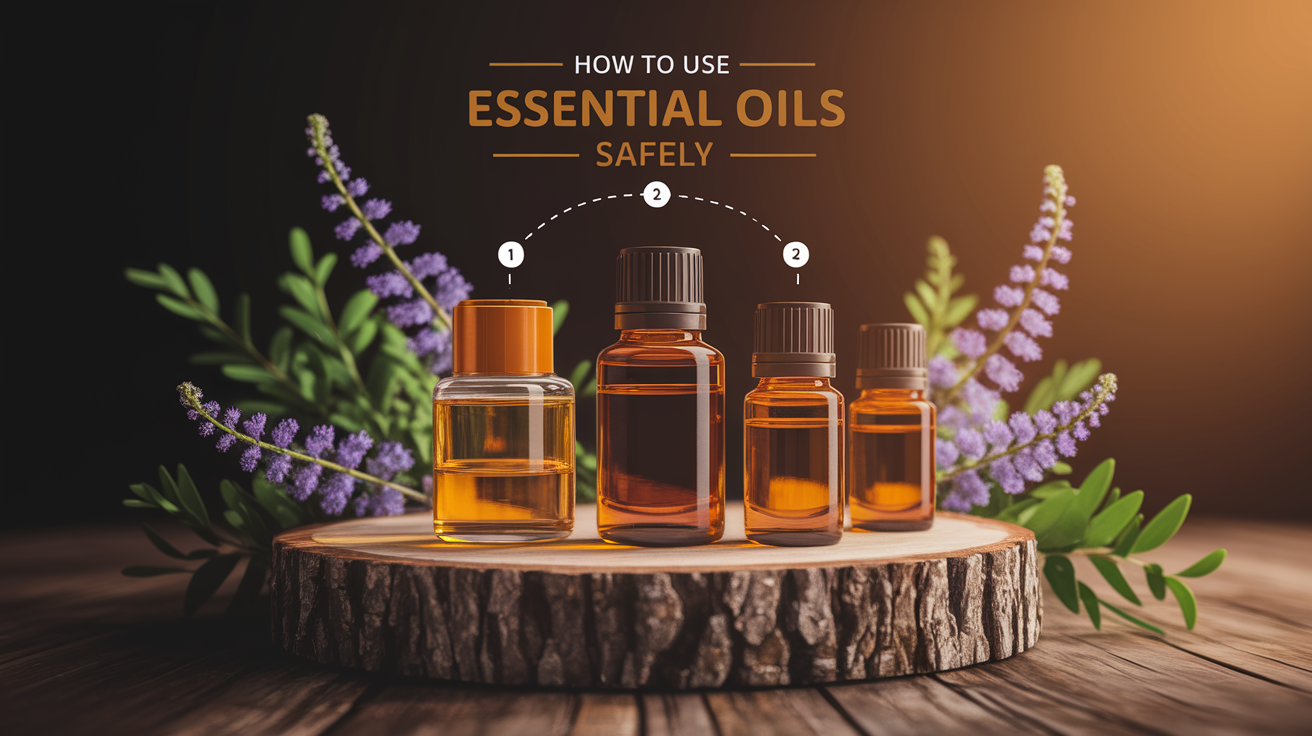
- 10-15 drops of essential oil in 2 tablespoons (1 oz) of carrier oil
The best carrier oils for joint health include:
- Coconut oil – absorbs well and has its own anti-inflammatory properties
- Jojoba oil – closely resembles our skin’s natural oils
- Sweet almond oil – lightweight and rich in vitamin E
WebMD notes that proper dilution not only prevents skin irritation but enhances absorption of the beneficial compounds.
Aromatherapy
Inhaling essential oils can help reduce pain perception by working through the olfactory system. For joint pain, I often recommend:
- Adding 5-10 drops to a diffuser
- Creating an inhaler with pain-relieving oils
- Adding a few drops to a warm bath
Important Safety Considerations
I’ve found that most issues with essential oils come from improper use. Here are critical safety tips I share with everyone:
- Always conduct a patch test before widespread application
- Certain oils (like citrus) can cause photosensitivity, so avoid sun exposure after application
- Pregnant women, children, and those with certain medical conditions should consult healthcare providers first
- Quality matters tremendously—I only use therapeutic-grade oils from reputable sources
- Be patient—repeated application over days or weeks is often necessary for noticeable improvement
The Science Behind Essential Oils and Joint Health
When I first started working with essential oils, some dismissed them as “just smelling nice.” Now, scientific research is confirming what traditional healers have known for centuries.
A fascinating comprehensive review of essential oils’ antiarthritic effects found that many oils contain compounds that modulate inflammatory pathways in the body. These oils don’t just mask pain—they actually help address the underlying inflammation.
One of the most compelling pieces of evidence comes from a systematic review and meta-analysis that concluded topical essential oils can significantly reduce pain and stiffness in musculoskeletal disorders. The study showed that essential oils outperformed placebo treatments in multiple clinical trials.
Animal studies have demonstrated reductions in joint swelling, inflammation markers, and improved mobility when treated with specific essential oils. For example, researchers found that oils like eucalyptus and frankincense reduced inflammatory mediators in arthritis models.
While we need more extensive human trials, the existing evidence suggests several mechanisms of action:
- Inhibition of inflammatory enzymes
- Reduction of oxidative stress in joint tissues
- Modulation of pain receptor sensitivity
- Enhancement of circulation around affected joints
What’s particularly exciting is how these natural compounds work synergistically—the whole is truly greater than the sum of its parts. This explains why blends often work better than single oils.
Conclusion – Embracing Nature’s Healing Touch
My journey with essential oils for joint health began as professional curiosity but quickly became personal when I witnessed real transformations—not just with clients but with my own family members. That’s the beauty of these oils—they meet us where we are, working gently but powerfully with our bodies’ natural processes.
Remember that consistency is key with natural approaches. I suggest giving any essential oil protocol at least 2-3 weeks of regular use before evaluating its effectiveness. And while essential oils can provide significant support, they work best as part of a holistic approach that includes proper nutrition, appropriate exercise, stress management, and professional healthcare guidance.
The next time your joints speak to you through pain or stiffness, consider reaching for these botanical allies. Your body might just thank you in ways that modern science is only beginning to understand.